
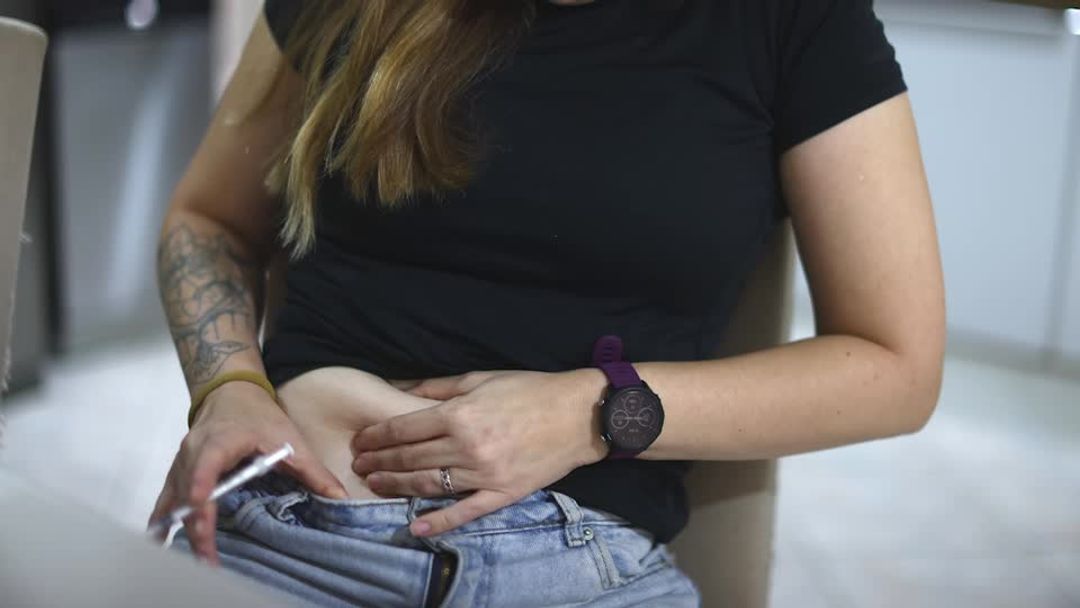
Brazil’s Cheap Weight-Loss Injections Carry a Cost Women Cannot See
Editor’s summary: Demand for GLP-1 medicines has produced a market in compounded and smuggled injections whose ingredients and storage may be uncertain. Affordability and appearance pressure help explain demand, but they do not make unverified products safe.
SÃO PAULO, Brazil — Brazil’s rapidly growing market for weight-loss injections is creating new health risks as consumers seek cheaper versions through informal pharmacies, social media and smuggling networks.
Reuters reported on 31 August that Brazilian authorities had recorded 83 deaths under investigation and more than 3,600 complications involving weight-loss medicines since 2018, with over 60% of the reports occurring during 2025 and 2026.
Those figures do not establish that counterfeit or unauthorised products caused every reported case. The safety of a specific medicine depends on its ingredients, dose, storage, dispensing and the patient’s underlying health.
Demand nevertheless creates opportunity for sellers offering injections without reliable manufacturing records or medical oversight. Reuters estimated that compounded and smuggled products could account for 51% of Brazil’s approximately $7 billion market in 2026.
Brazilian use of weight-loss medicines was estimated at 5.5% of the population, compared with 3.7% globally.
Women feature prominently in the market. Some seek treatment for diabetes or obesity; others face intense social pressure to lose weight quickly. High retail prices and shortages can make an informal supplier appear like a practical solution rather than an obvious danger.
That context should produce empathy, not blame. Obesity is a complex chronic condition, and people should not be shamed either for using clinically appropriate medicine or for being unable to afford it.
The safety concern is that an unverified injection may contain the wrong concentration, an undeclared substance or contamination. Products may also lose stability if transported without appropriate temperature control.
Brazil’s health regulator, Anvisa, has warned that misuse of medicines in this class can be associated with acute pancreatitis and other serious effects. It says treatment requires a valid prescription and medical monitoring.
Enforcement has expanded. On 24 August, Brazil’s Federal Revenue Service reported finding approximately 1,200 tirzepatide ampoules concealed inside a vehicle’s spare tyre.
Seizures alone will not eliminate demand. Regulators need traceable supply chains, rapid laboratory testing and clear public information explaining how to verify an authorised product. Healthcare systems also need realistic routes to evidence-based obesity treatment.
Women using these medicines should seek urgent care for severe, persistent abdominal pain, repeated vomiting or other alarming symptoms. They should not increase doses or combine products without qualified advice.
The market thrives where appearance pressure, medical need and unequal access meet. Public policy must address all three—or unsafe sellers will continue presenting risk as affordability.


Join the discussion