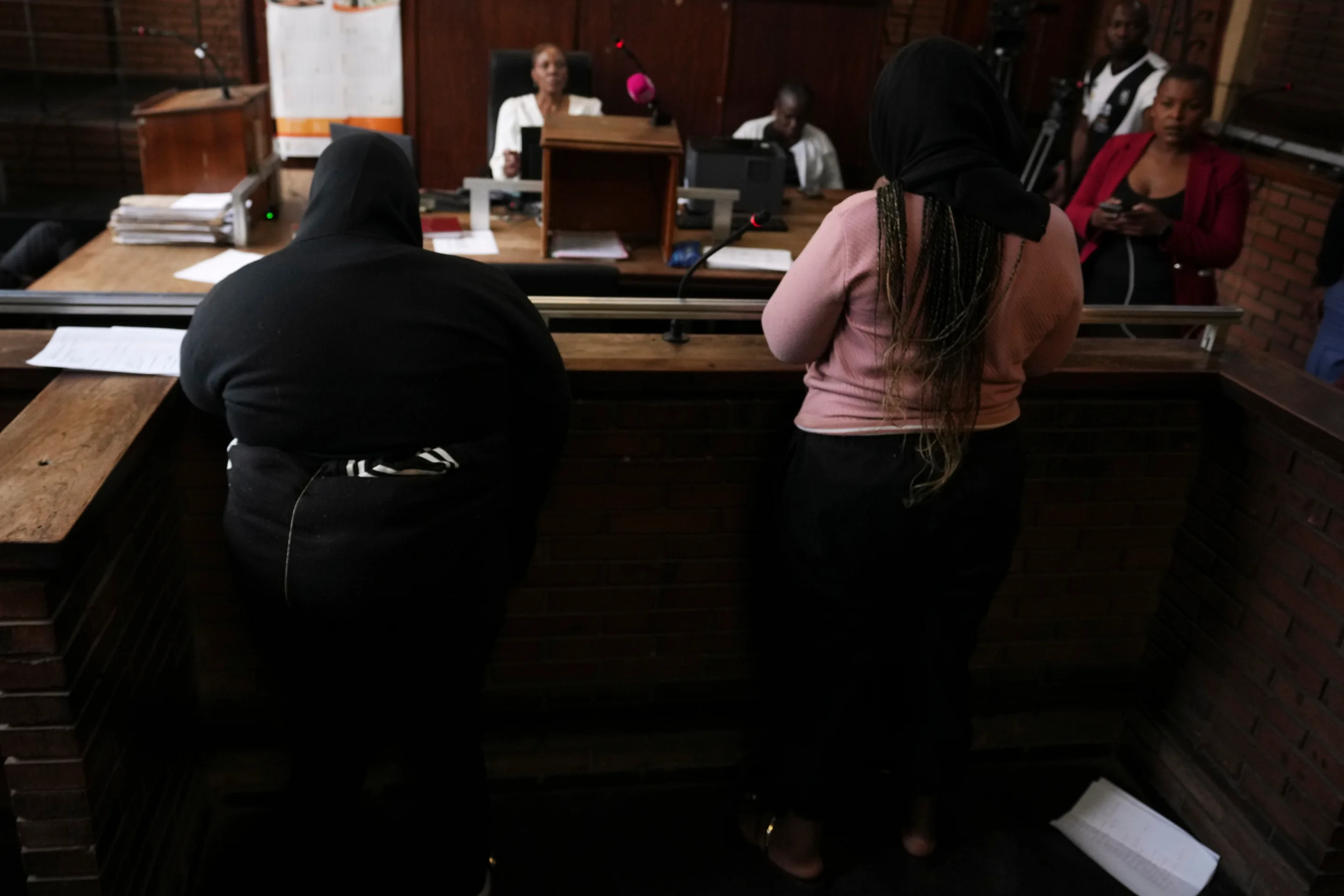
Arrests in South Africa’s Ekurhuleni Killings Bring a Lead, Not an Answer
Police have arrested three people in connection with one of nine recent killings of women in Ekurhuleni. The development is significant, but investigators have not established that the deaths are linked—and public pressure must not outrun evidence.
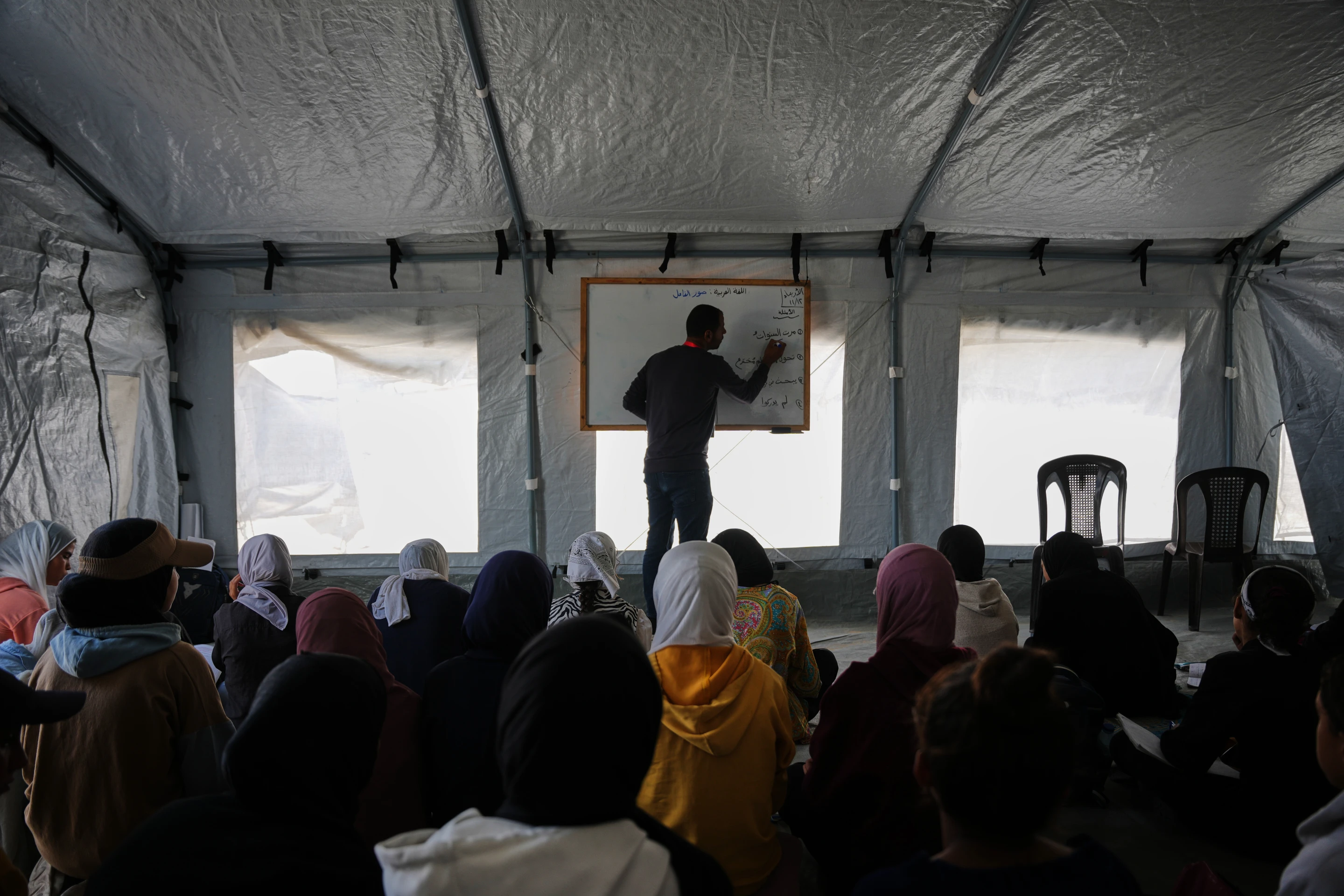
Gaza’s Return to Class Begins in Tents and Damaged Buildings
Hundreds of thousands of Gaza students are returning to in-person lessons for the first time in nearly three years. For girls, reopening classrooms can restore routine and protection, but destroyed schools, displacement and supply shortages sharply limit what “return” means.
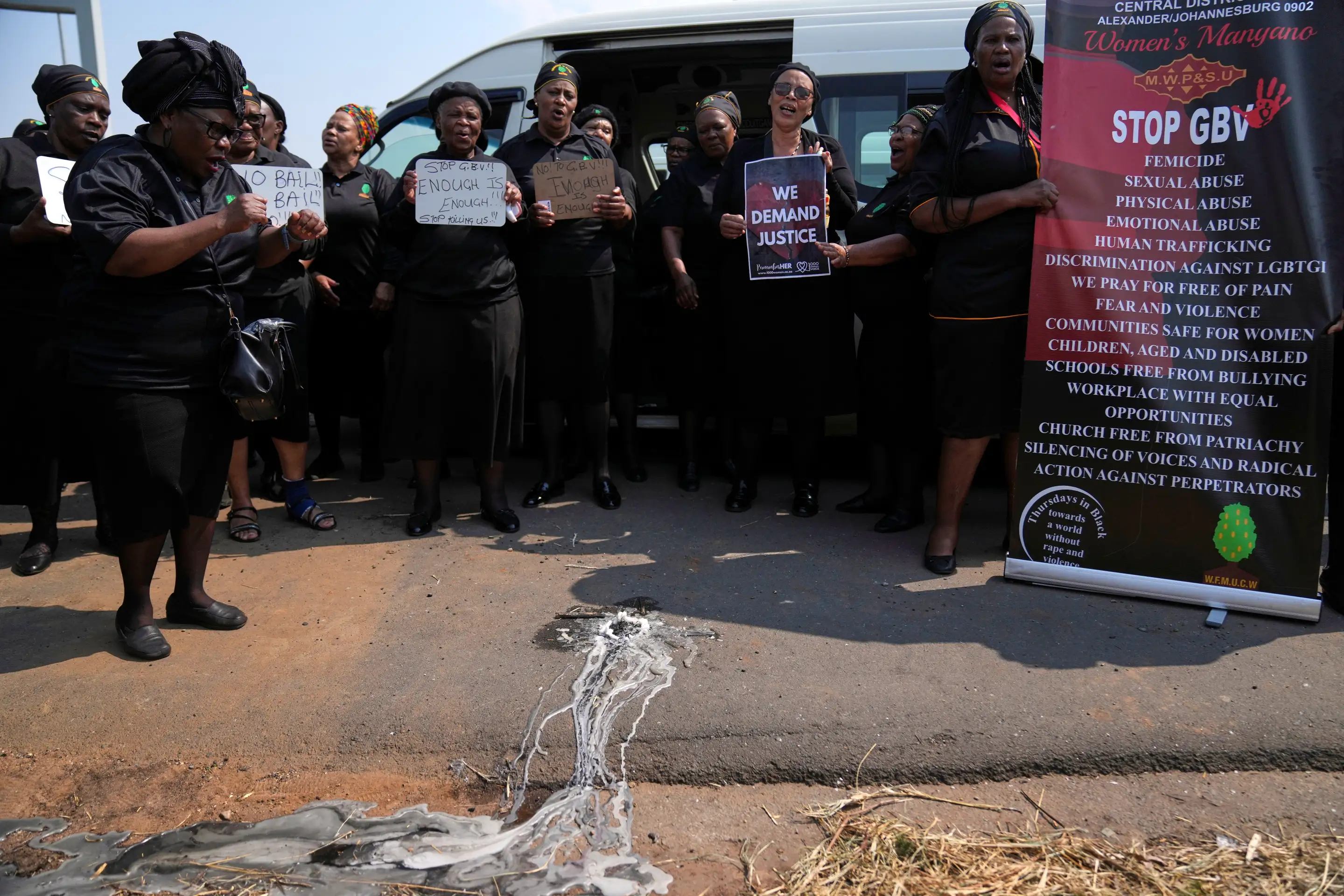
Arrests in South Africa’s Ekurhuleni Killings Bring a Lead, Not an Answer
Police have arrested three people in connection with one of nine recent killings of women in Ekurhuleni. The development is significant, but investigators have not established that the deaths are linked—and public pressure must not outrun evidence.
Should a Kabinnama Tell You About a Future Spouse’s Previous Marriage and Children? The High Court Wants an Answer
Bangladesh’s High Court has asked authorities to explain why Kabinnamas should not require both bride and groom to disclose previous and existing marriages, children and official identification. The proposal could strengthen informed consent—but no form has changed yet.

Four Bangladeshi Women Were Rescued From Trafficking. Seven Years Later, Nine People Have Been Sentenced to Life
A Hyderabad court has sentenced nine people—including eight Bangladeshis—to life imprisonment for trafficking Bangladeshi women into India with false job promises and forcing them into prostitution. The verdict is significant; preventing the next journey matters more.

A Survivor Should Not Need a Map of Institutions to Find Safety
Bangladesh has laws, legal aid, police units, crisis centres and shelters for survivors of abuse. Yet a Dhaka dialogue heard that women and children are still being sent from one institution to another—and that shelter capacity remains severely inadequate.
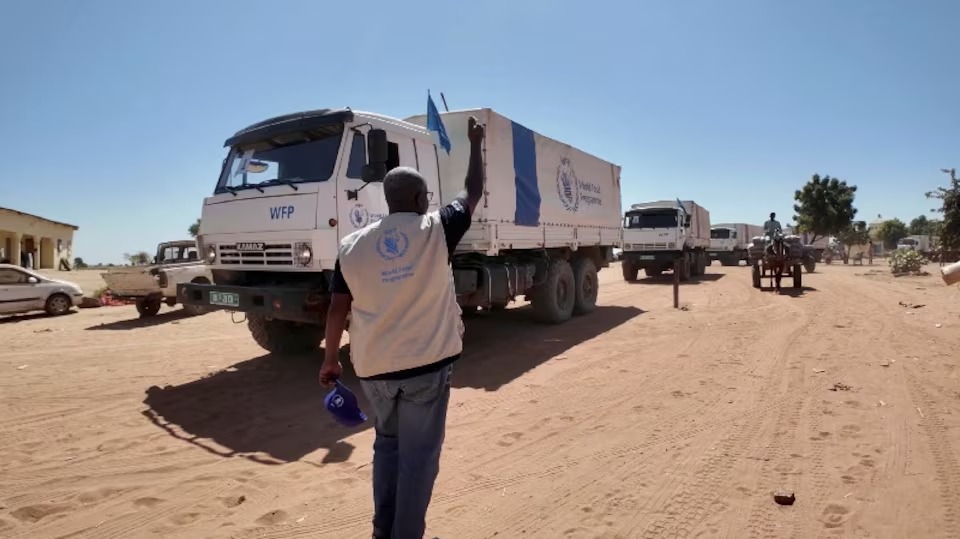
Sudan’s Food Lifeline Has Lost Two-Thirds of Its Funding
The World Food Programme says its Sudan budget has fallen from $645 million last year to about $206 million this year while nearly 20 million people face hunger. Women are absorbing the shortage through reduced meals, unsafe journeys and the collapse of care around pregnancy and displacement
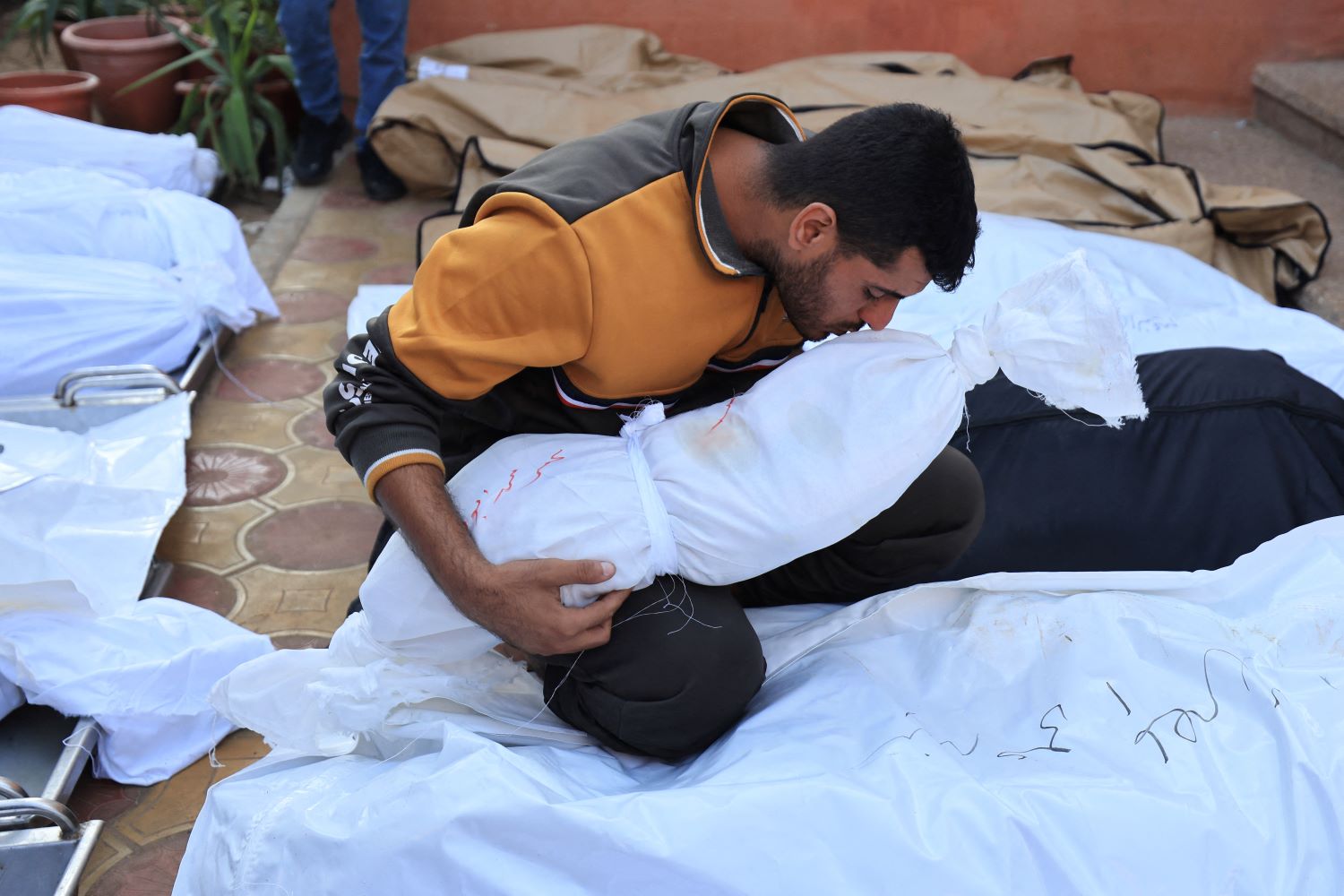
A Pregnant Woman’s Death Shows How Gaza’s Ceasefire Is Failing Civilians
Iman Shalouf and her unborn child died after she was shot inside her family’s tent in southern Gaza, according to Palestinian reporting. The case underlines that a ceasefire has little protective meaning when civilians, hospitals and water systems remain exposed to lethal harm.
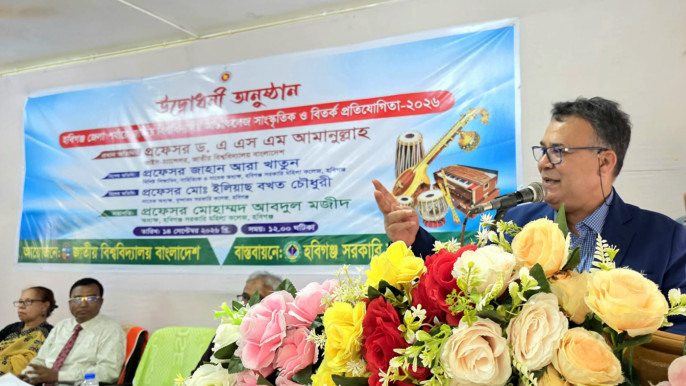
National University Says Women Need Safer Campuses. Now Bangladesh Needs to Define What ‘Safe’ Actually Means
National University’s vice-chancellor says child marriage, violence and social barriers are pushing girls out before higher education and has called for safer, more supportive campuses and greater female participation in STEM. The next step is turning “safe campus” from a speech into measurable standards.
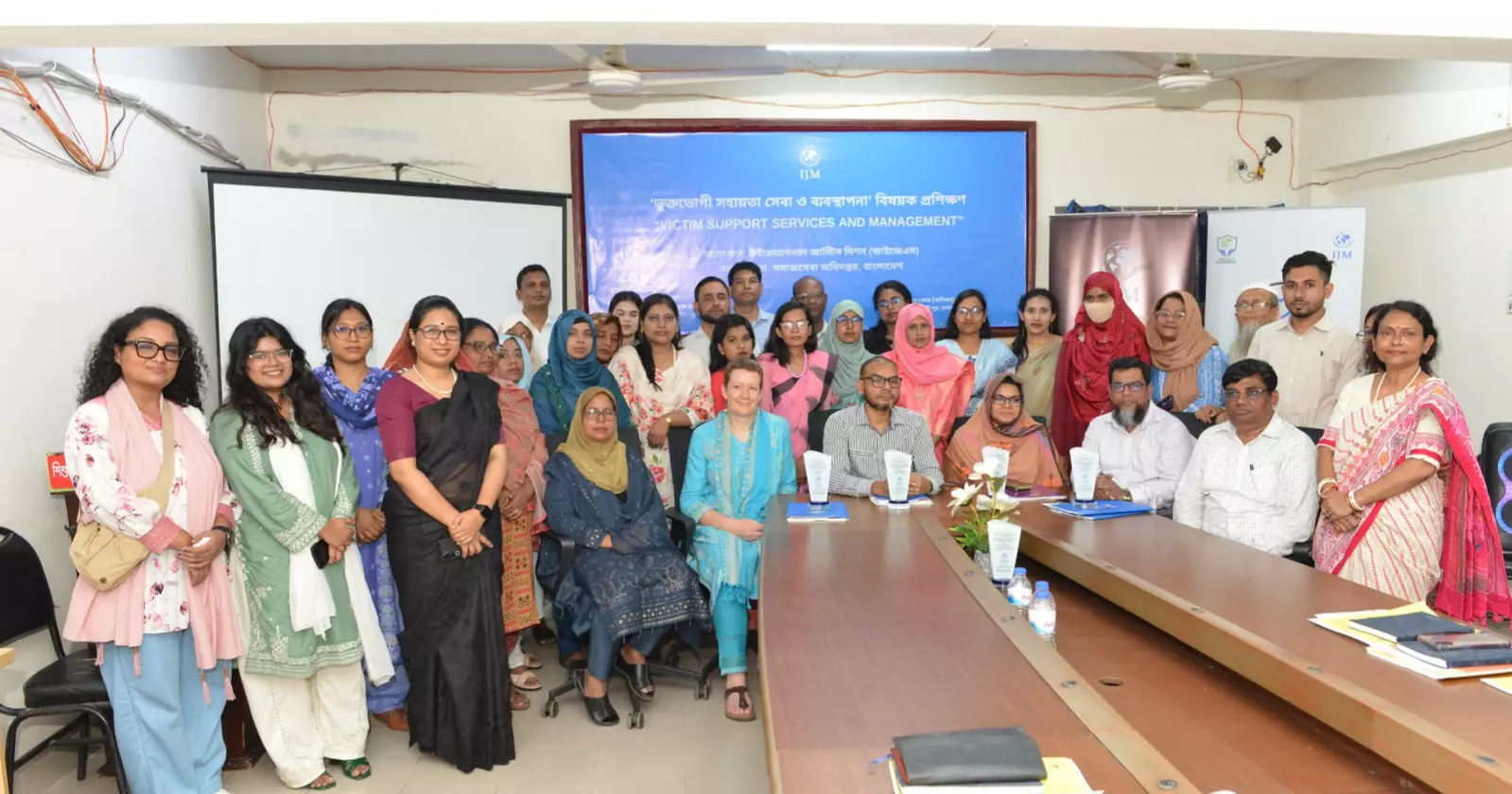
For Girls Rescued From Sexual Exploitation, the Case Does Not End at Rescue
Twenty-five caregivers at Bangladesh’s only government Child Development Centre for girls in Gazipur have received specialised training on supporting children affected by commercial sexual exploitation. That matters because rescue is only the first stage of recovery—and institutions entrusted with girls need to be safe enough to deserve their trust.
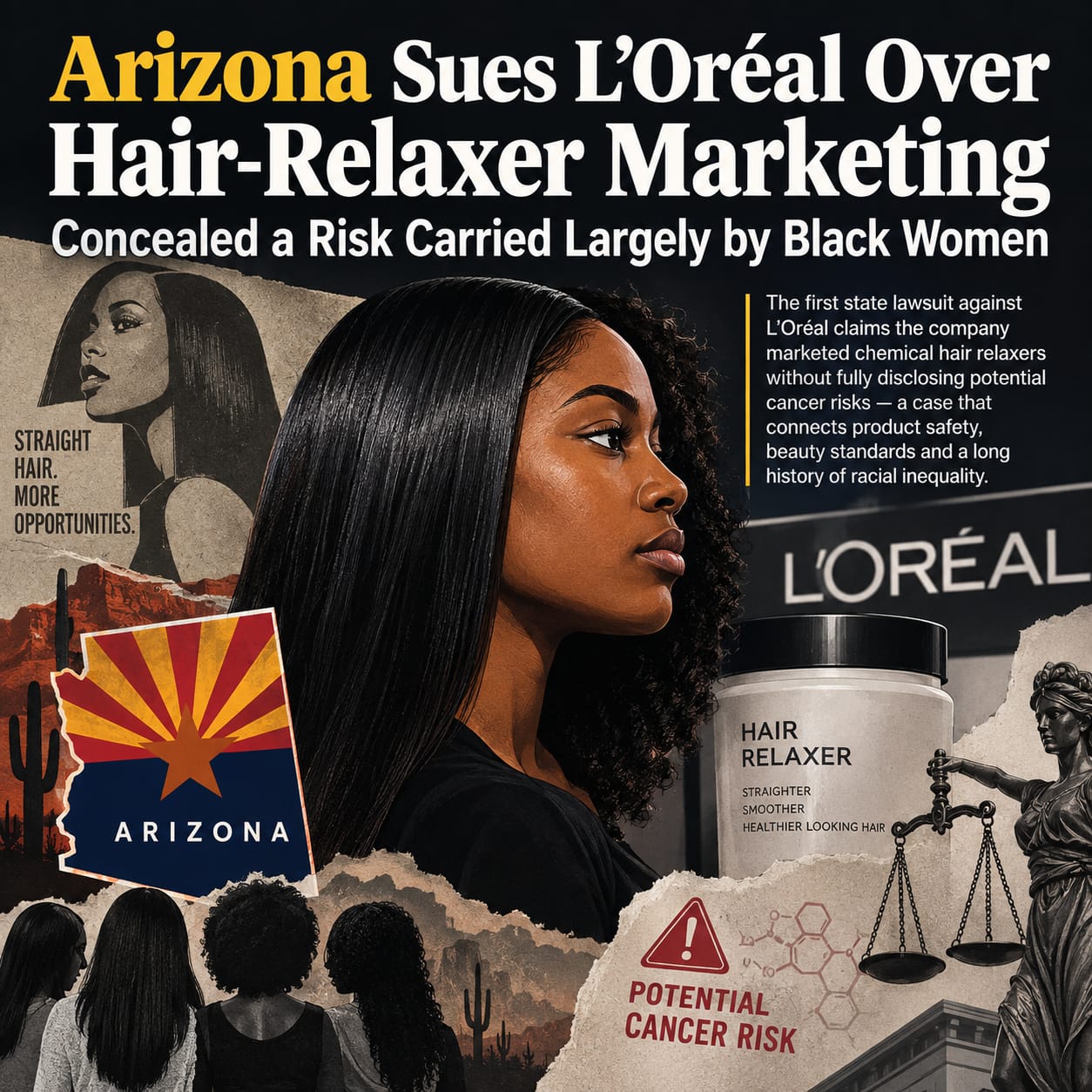
Arizona Says Hair-Relaxer Marketing Concealed a Risk Carried Largely by Black Women
Arizona has become the first US state to sue L’Oréal over alleged concealment of cancer risks associated with chemical hair relaxers. The case joins product safety to a history in which Black women were marketed conformity as beauty and professionalism.
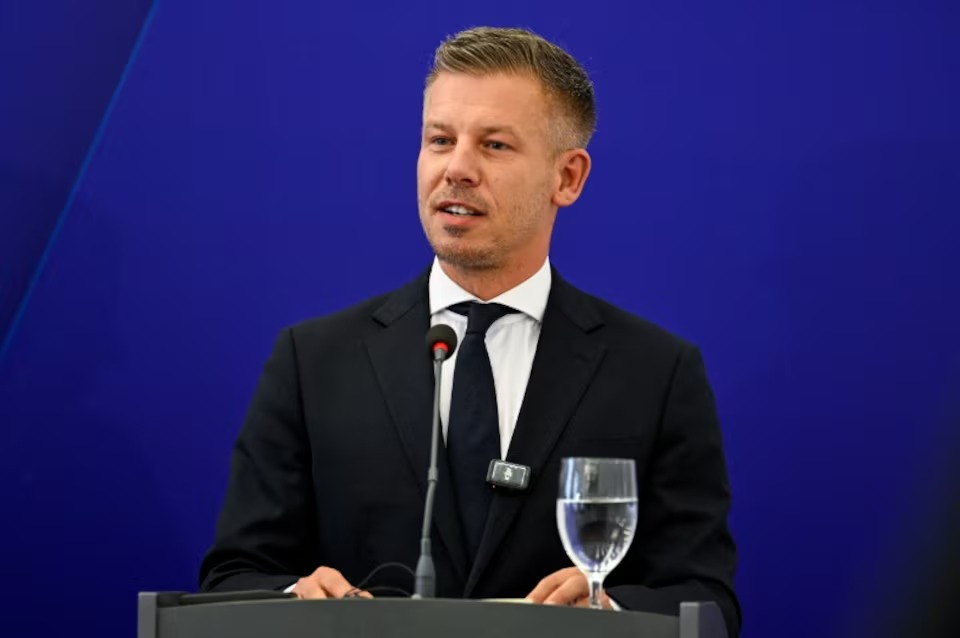
Hungary’s Government Could Reopen Adoption Decisions to Same-Sex Couples
Prime Minister Peter Magyar says professionals, not politicians, should decide whether gay and lesbian applicants may adopt. Repealing the Orbán-era restriction would remove a barrier, but equal treatment will depend on the law and its implementation.
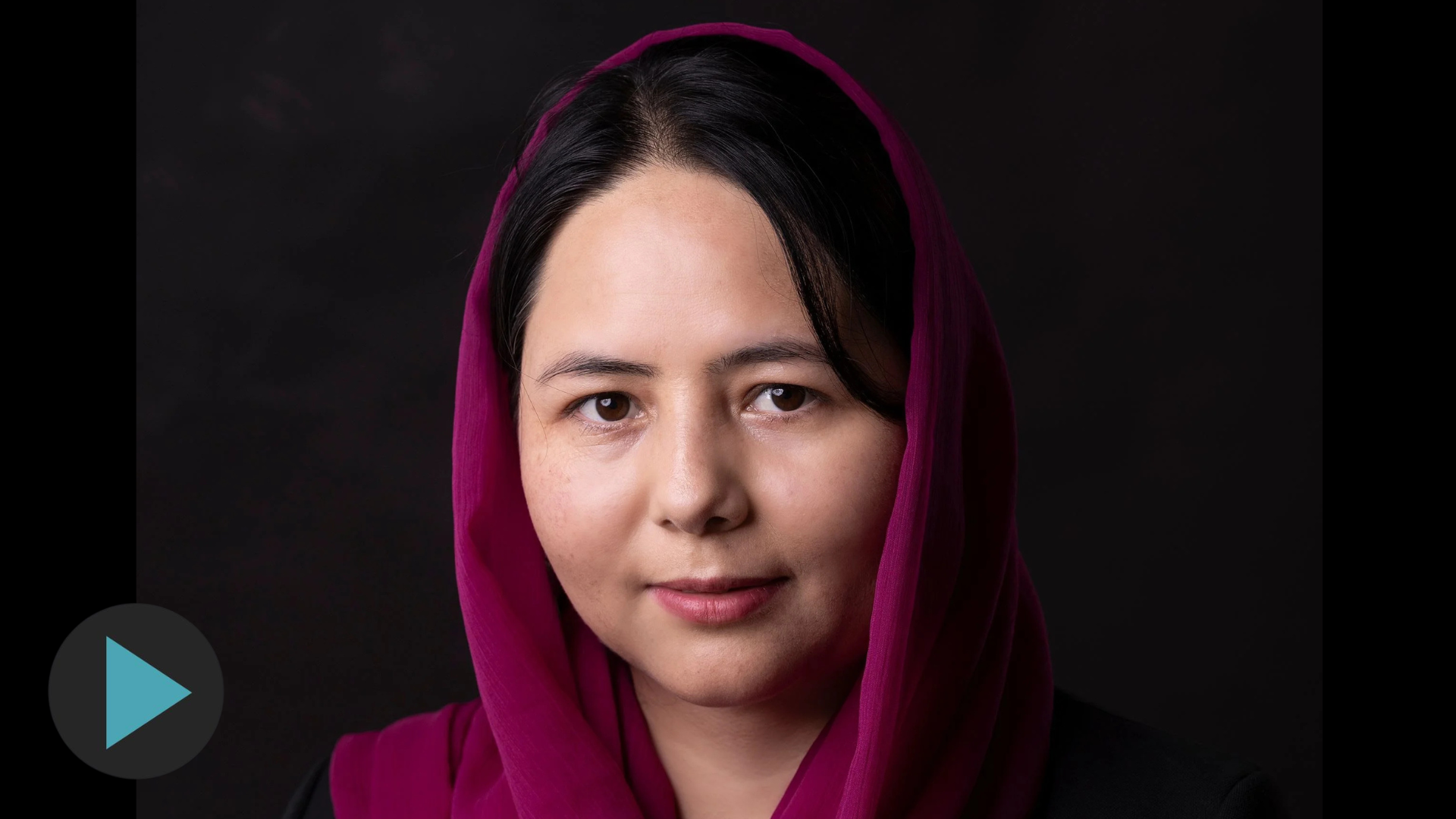
Zahra Joya Refuses to Let Afghanistan’s Women Vanish From the Record
In a new interview, Afghan journalist Zahra Joya connects her own forbidden education to the reporters still documenting life under Taliban rule. Her testimony shows why women’s journalism is not merely representation: it is evidence against enforced erasure.

Menopause Supplements Promise Precision That the Evidence Does Not Yet Provide
A UK market analysis found 201 menopause supplements with widely varying ingredients, doses and prices, while evidence for symptom relief remains limited. Women deserve clear labelling and clinical advice—not the assumption that “natural” means effective or risk-free.
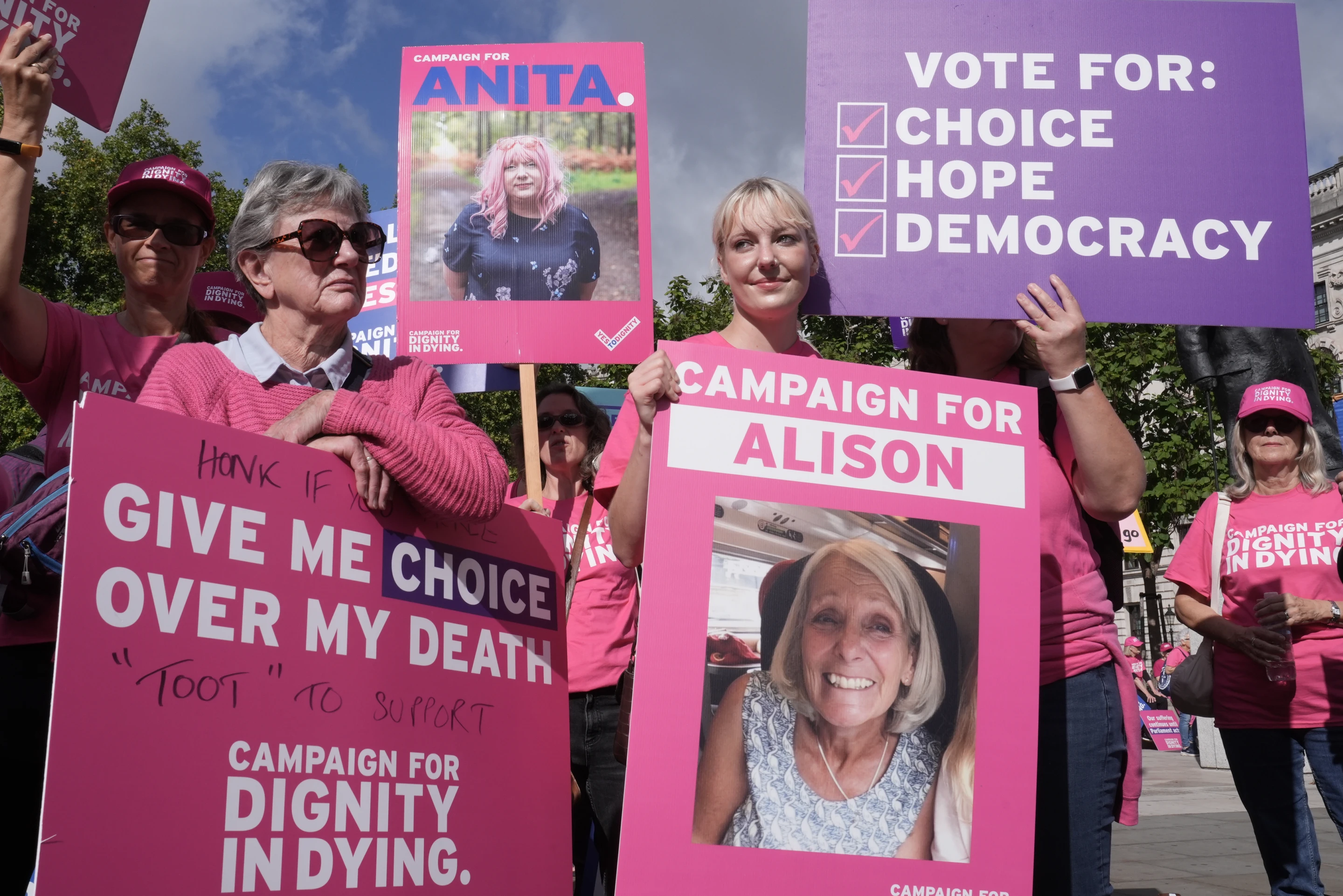
UK MPs Reject Assisted-Dying Bill After a Debate Shaped by Care and Safeguards
Britain’s House of Commons rejected a new assisted-dying bill by 286 votes to 270. The result leaves the law unchanged and renews scrutiny of palliative care, disability rights and the largely female workforce that would help implement any future system.
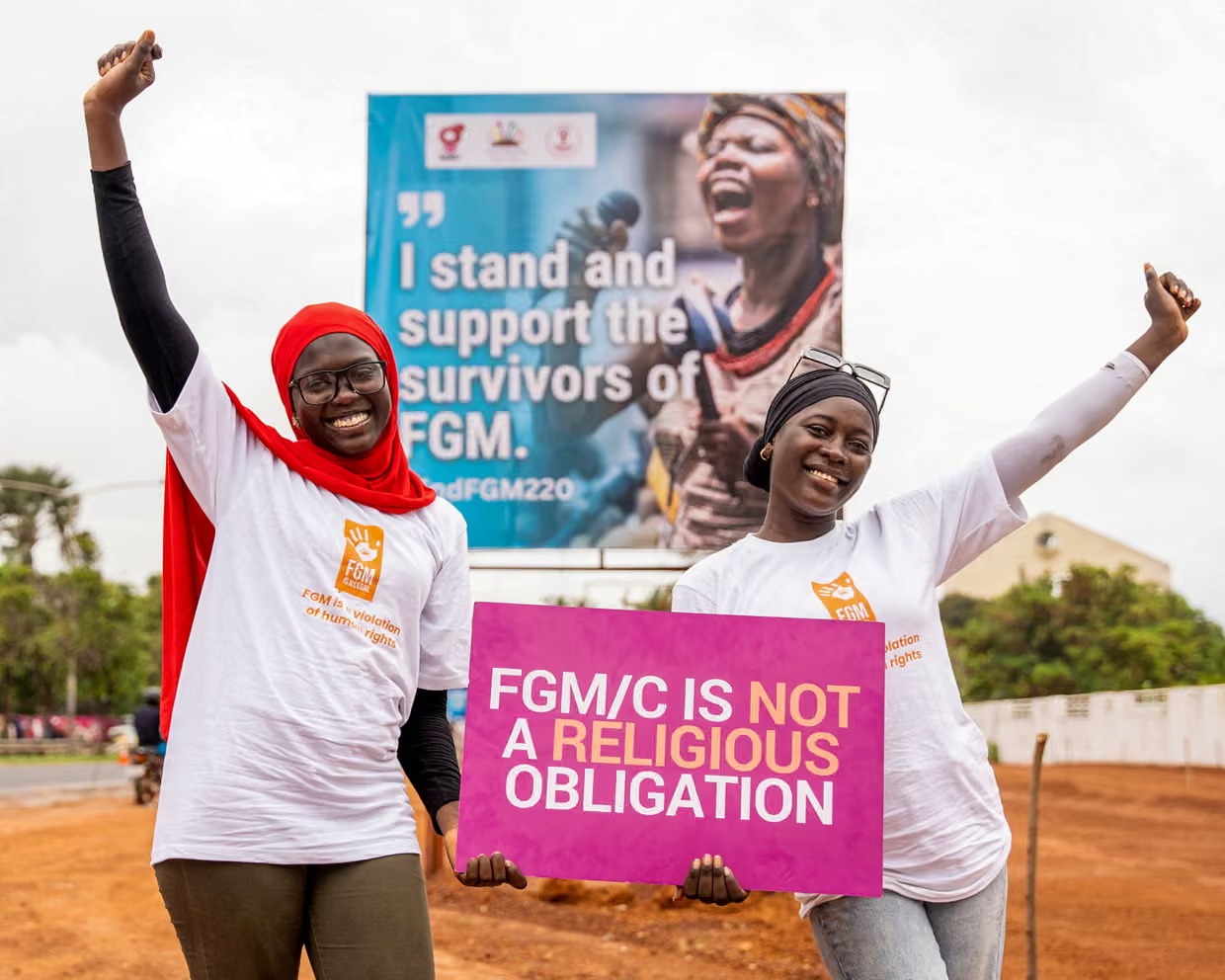
New $15.5 Million Fund Bets on Frontline Leadership to End FGM
The Her Horizon Fund begins with $15.5 million and aims to pool $100 million for survivor-led and community organisations fighting female genital mutilation. Its promise depends on whether money reaches local groups predictably and with decision-making power attached.
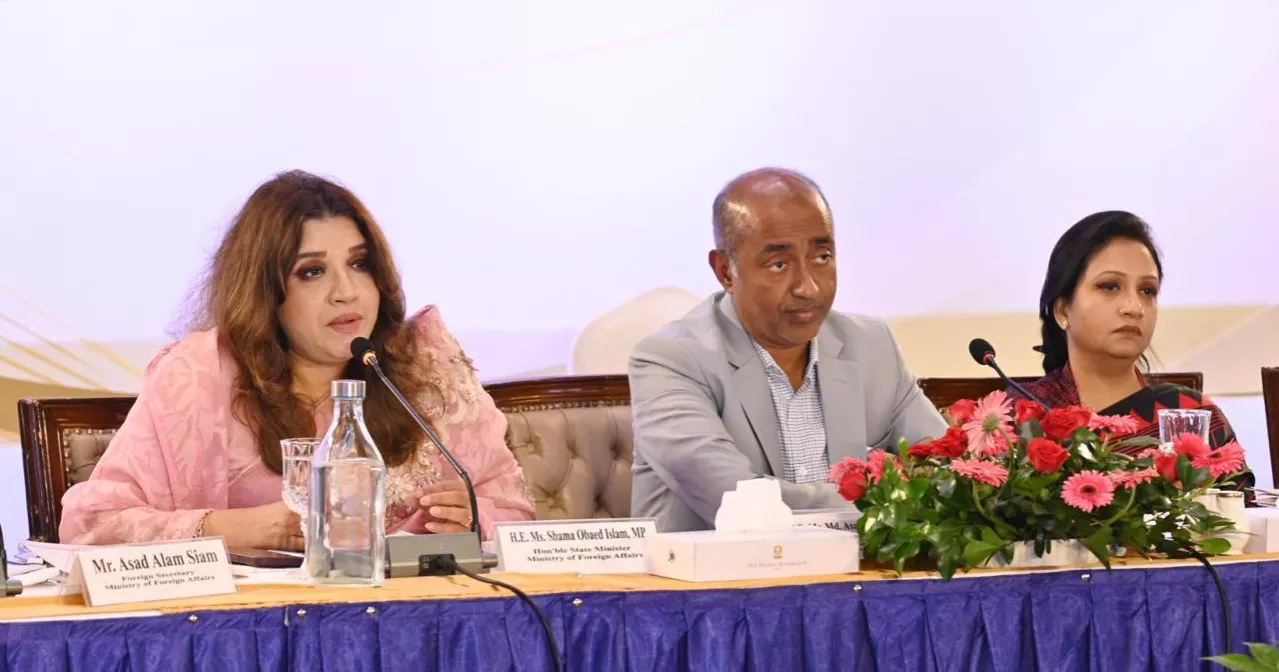
Bangladesh’s Plan Against Online Abuse of Women Just Got More Concrete: Laws, Platforms and Survivor Support
Bangladesh first announced plans for a global platform against digital harassment earlier this month. A new Dhaka Dialogue has now moved the discussion toward legal reform, AI evidence, platform accountability, synthetic-media labelling and survivor-centred reporting systems.
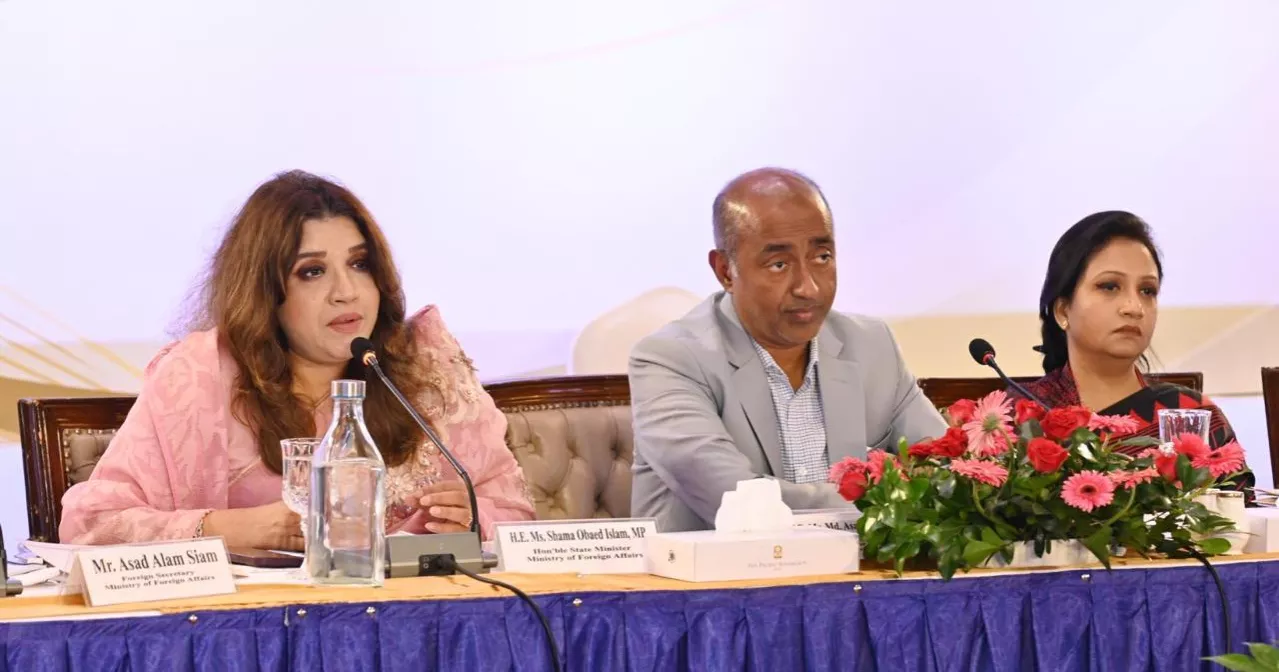
Bangladesh’s Plan Against Online Abuse of Women Just Got More Concrete: Laws, Platforms and Survivor Support
Bangladesh first announced plans for a global platform against digital harassment earlier this month. A new Dhaka Dialogue has now moved the discussion toward legal reform, AI evidence, platform accountability, synthetic-media labelling and survivor-centred reporting systems.

A 16-Year-Old Was Chained and Dragged Over a Theft Allegation. An Accusation Is Not Permission to Punish a Child
Three men have been arrested after a 16-year-old girl was allegedly beaten, chained around the waist and dragged through a Sylhet street over a theft allegation. Bangladesh law allows limited citizen detention in specific circumstances—it does not authorise public punishment.

Noel Clarke Faces Six Sexual-Offence Charges Involving Five Women
British prosecutors have authorised six charges over alleged conduct between 2007 and 2016. Active proceedings require precise, restrained reporting that protects both the complainants and the defendant’s right to a fair trial.

Australia’s Violence Report Says Progress Is Too Slow for the Harm Women Face
The national Domestic, Family and Sexual Violence Commissioner says sexual-violence reporting reached its highest recorded rate in 2024 and family law can still be weaponised. The report shifts attention from promises to whether systems produce measurable safety.
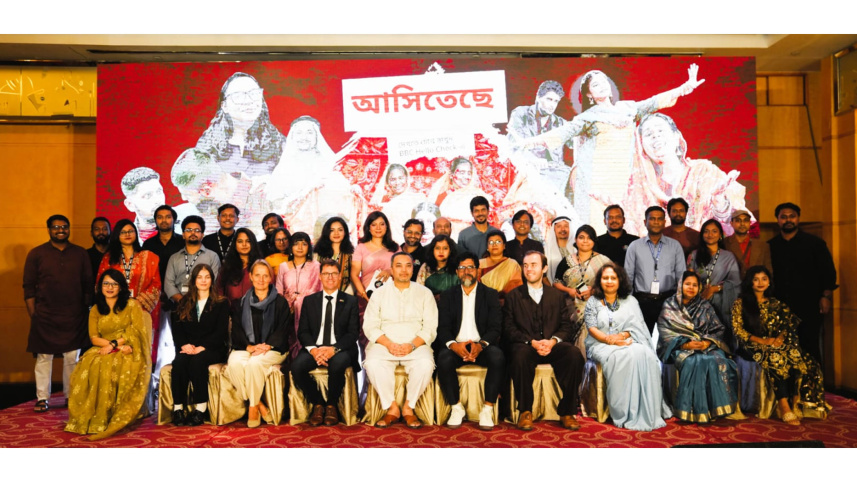
# Stopping One Wedding Isn’t Enough: Why Bangladesh’s Child-Marriage Fight Has to Change What Families Believe
A new Bangladesh campaign is taking aim at something harder to change than the law: the social beliefs that continue to make child and forced marriage seem acceptable, necessary or even protective for girls
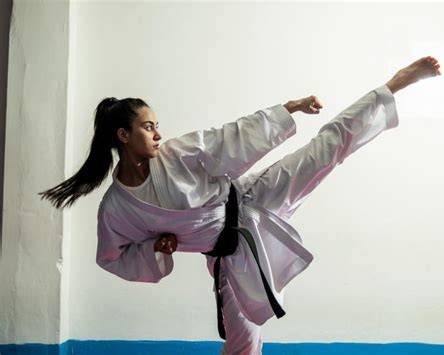
Women Outnumber Men in Bangladesh’s Asian Games Team. So Why Are So Few Coaches and Officials Women?
Bangladesh will send more women than men to the 2026 Asian Games—a striking sign of how far women athletes have progressed. But behind the athletes, the gender balance changes dramatically: just 12 of the contingent’s 73 coaches and officials are women.

Britain Considers Shrinking Women’s Prisons to Ease Men’s Capacity Crisis
: Ministers are reviewing whether parts of the women’s prison estate could be converted for men. Reformers see an opening to reduce unnecessary imprisonment of women, but warn that removing beds before building community support would transfer rather than solve the crisis.
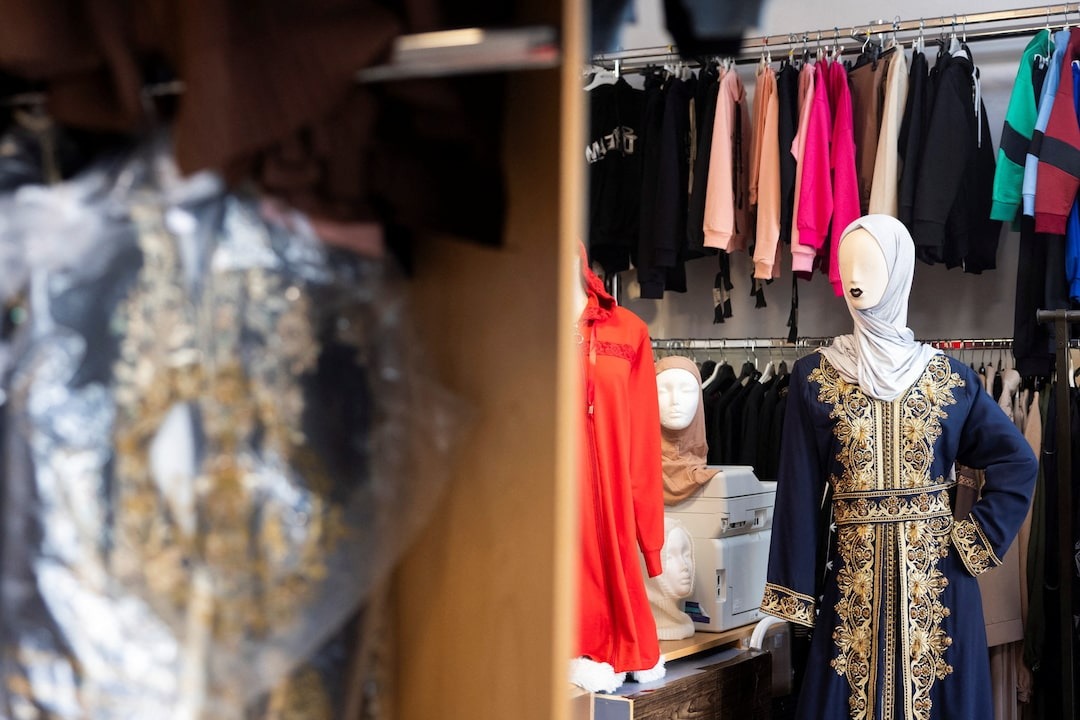
Austria’s Headscarf Ban Meets Its First Test in Classrooms
Austria’s prohibition on Islamic headscarves for schoolgirls under 14 is taking effect as the new term begins. The government calls it protection from coercion; critics say a rule singling out Muslim girls cannot deliver equality.

The UN’s First Indigenous Women and Girls Day Must Be More Than Recognition
The United Nations is formally observing 5 September as the International Day of the World’s Indigenous Women and Girls for the first time. Indigenous organisers say the milestone should produce direct funding, decision-making power and implementation of rights already agreed.
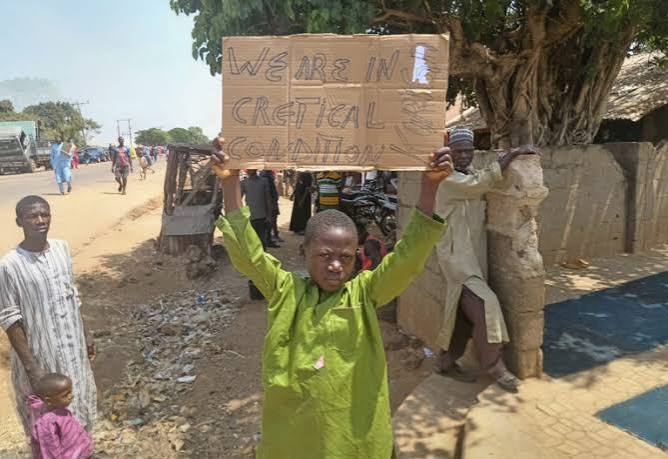
A Mother and Newborn Are Among Hundreds Missing After Nigeria’s Mass Abduction
Families in Niger state say they have received no contact from kidnappers two weeks after a coordinated assault. One woman was taken with a baby she had delivered only a week earlier, exposing the acute danger captivity creates for mothers and infants.
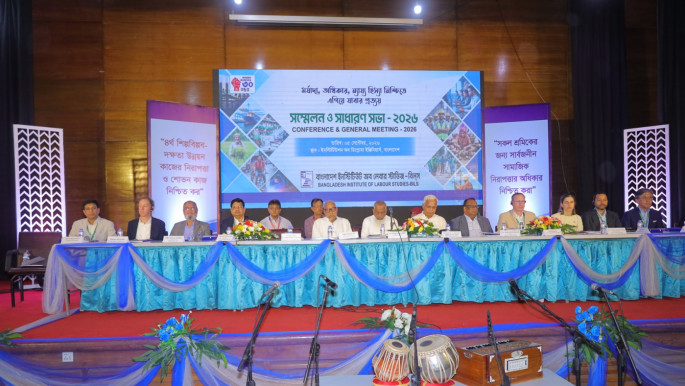
Women Make Up More Than Half of Bangladesh’s Garment Workforce. Why Aren’t More Leading the Unions?
Bangladesh’s labour movement is calling for more women in trade-union leadership. With women making up about 54% of the garment workforce, the question is no longer simply whether women work—it is whether they have an equal voice when wages, safety and workplace rights are negotiated.
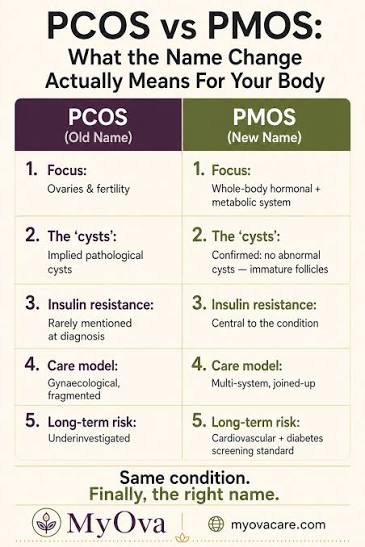
PCOS Has a New Name: What Women Should Know About PMOS
A condition millions of women know as PCOS is now being called Polyendocrine Metabolic Ovarian Syndrome, or PMOS. The new name does not mean your previous diagnosis was wrong—it is intended to better reflect what the condition actually does throughout the body.
When Political Criticism Turns Gendered: Oli Ahmad’s Remarks on Rizwana Hasan Raise a Wider Question
A senior political leader’s derogatory remarks about Syeda Rizwana Hasan went beyond disagreement over politics, targeting her as a woman and questioning her religious beliefs. The episode points to a wider challenge facing women in Bangladesh’s public life.
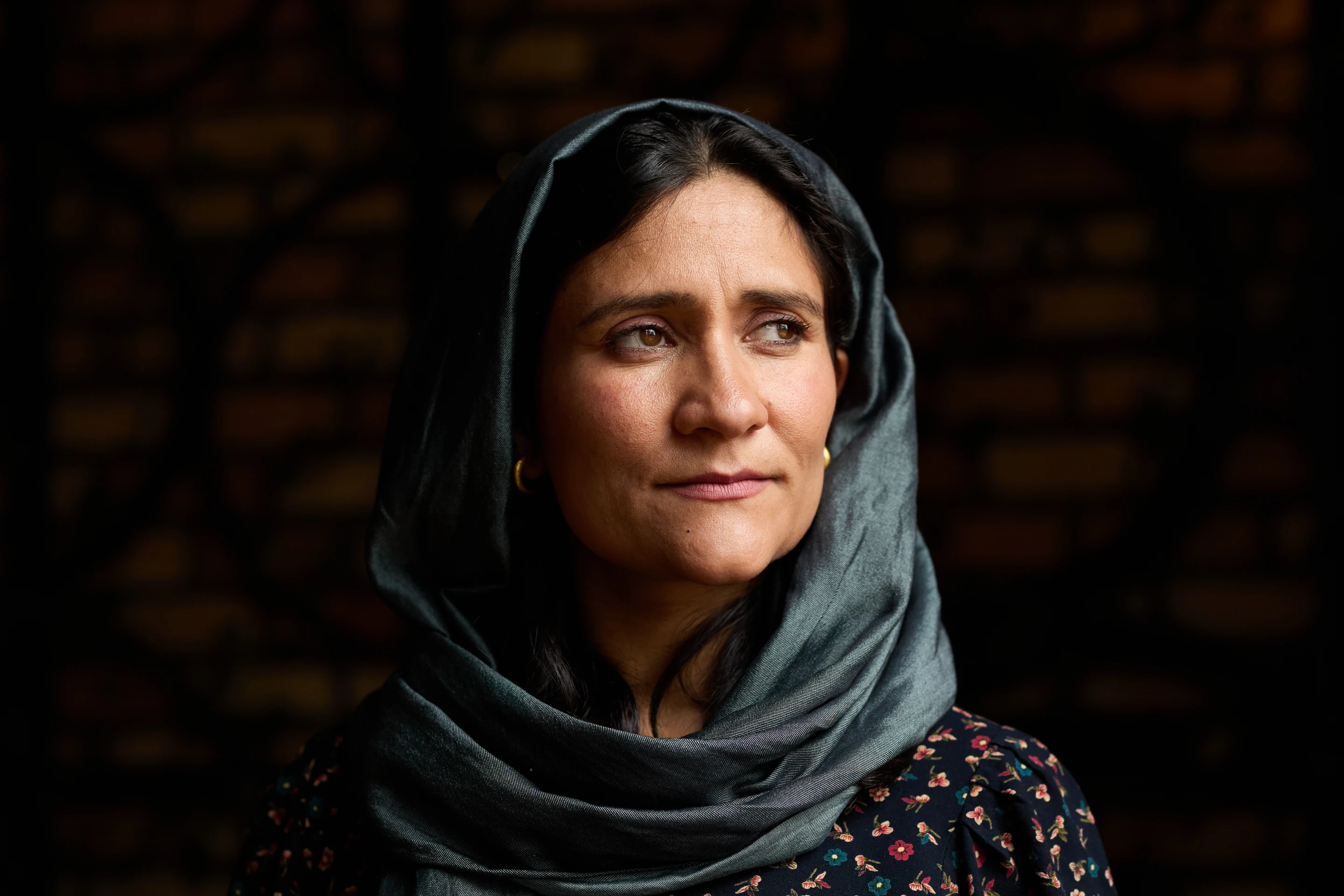
Afghan Girls Begin a School Year on a Campus Built to Outlast Exile
The School of Leadership, Afghanistan has opened its permanent Rwandan campus after evacuating from Kabul in 2021. Its 122 students demonstrate what uninterrupted education can preserve, while millions of girls inside Afghanistan remain excluded from secondary school.

Mifepristone Case Is Paused, but the National Threat to Access Remains
A federal judge has paused Florida and Texas’s challenge to the abortion drug until 1 December or completion of an FDA review. Access remains unchanged for now, but the court refused to dismiss a case seeking nationwide restrictions.
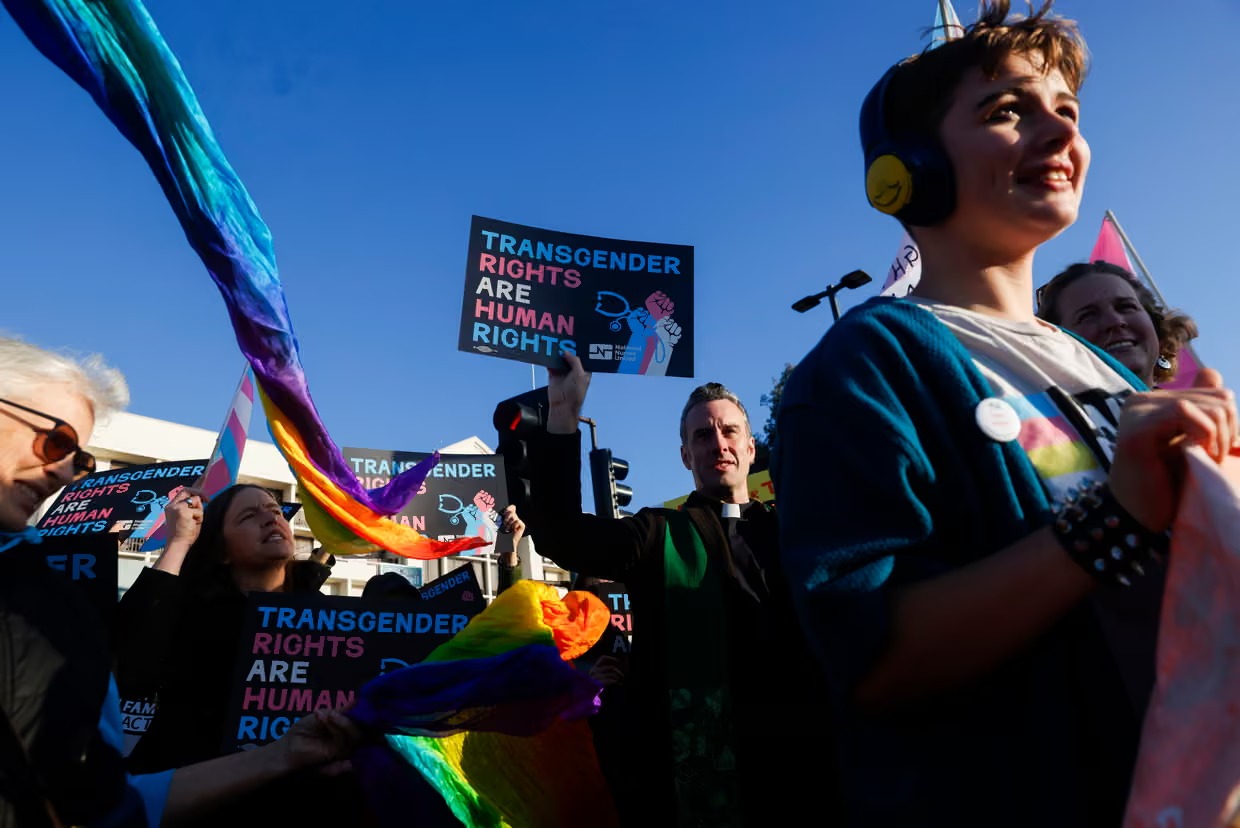
California Ruling Leaves Trans Girls’ School-Sports Policy in Place
A federal judge dismissed the US Justice Department’s challenge to California’s inclusive school-sports rules. The decision turns on notice and federal funding law, not a nationwide resolution of the fairness debate.
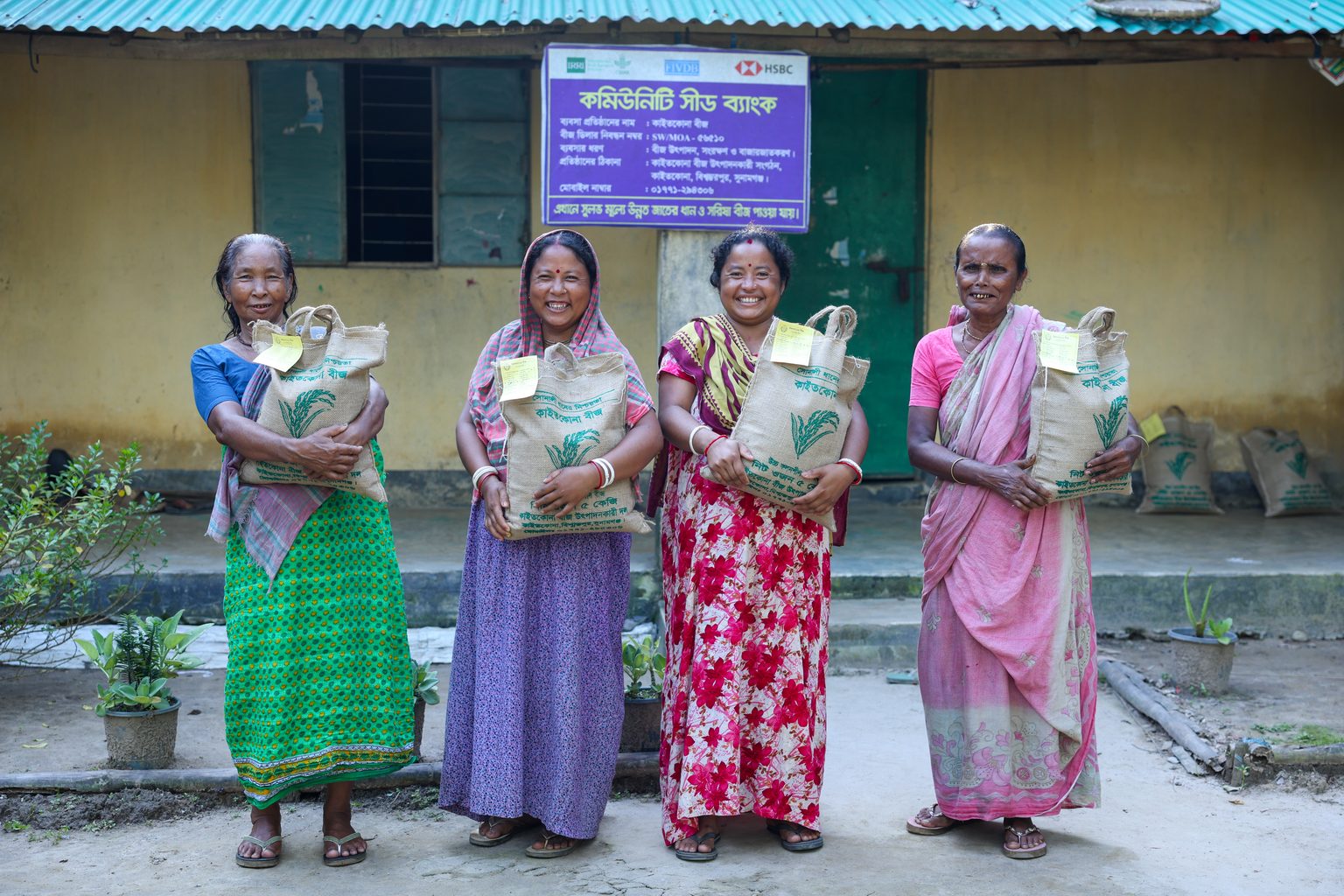
Bangladesh’s Women Have Saved Seeds for Generations. Could Orange Bonds Help Them Build Businesses?
More than 3,000 Bangladeshi women farmers have established community seed enterprises and seed banks through IRRI-supported programmes, but many remain too small to scale. A new analysis asks whether gender-focused Orange Bond financing could help women-led seed businesses access the working capital they need.
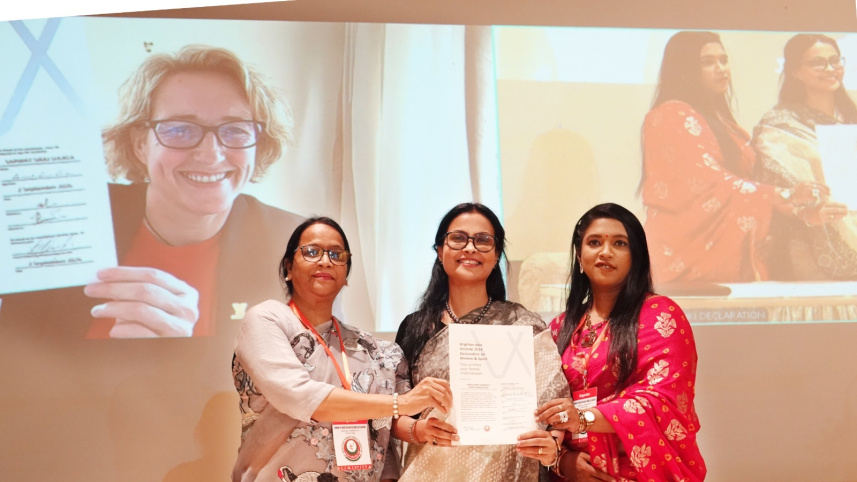
Bangladesh Signs a Global Women-in-Sport Commitment. Now Athletes Need to See What Changes
Bangladesh has formally joined the Brighton and Helsinki Declaration on Women and Sport, committing to stronger equality, participation, representation and safety for women in sport. The real test now is whether those principles lead to better facilities, stronger safeguarding, more leadership roles and fairer investment for female athletes.
Six-Year-Old Ayesha’s Body Exhumed as Questions Over Her Death Return to Investigators
The body of six-year-old Ayesha Akter has been exhumed in Homna, Cumilla, 17 days after her death, following a court order for a fresh autopsy. Her father has alleged possible sexual assault and murder, but police say the cause of death remains undetermined and must be established through medical evidence and investigation.
249 Women and Children Faced Violence in August. Nearly Six in 10 Reported Rape Victims Were Children
Human Rights Support Society recorded violence against at least 249 women and children across Bangladesh in August, including 79 reported rape victims. Forty-six of those rape victims were children—nearly 58%—according to the organisation’s monthly monitoring.
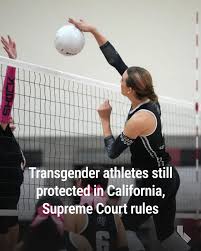
California Ruling Leaves Trans Girls’ School-Sports Policy in Place
A federal judge dismissed the US Justice Department’s challenge to California’s inclusive school-sports rules. The decision turns on notice and federal funding law, not a nationwide resolution of the fairness debate
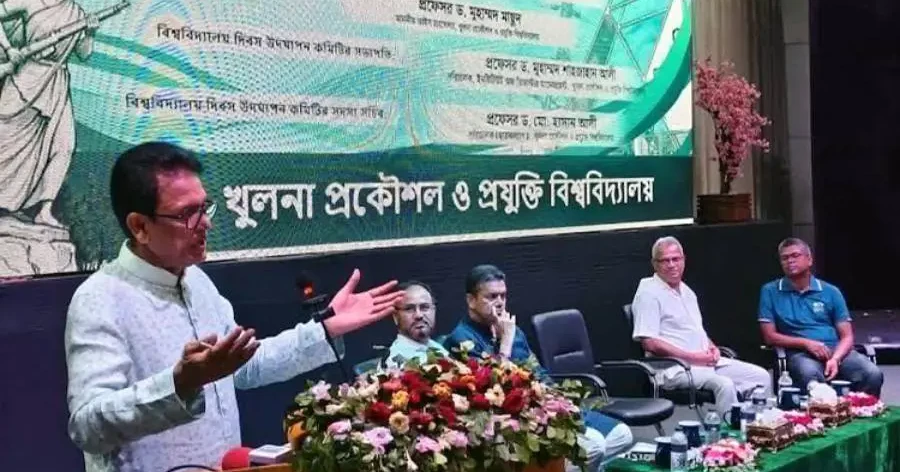
Bangladesh Plans Bicycles for Secondary Schoolgirls. The Next Question Is Who Gets One—and When
Bangladesh’s education minister has announced a plan to distribute bicycles to secondary-school girls nationwide to encourage female education. The proposal could reduce transport barriers for students, but key details—including budget, eligibility, rollout date and total coverage—have not yet been published.

A Fifth-Grader Spoke Up. Now a Rangpur Teacher Is Suspended
An assistant teacher at a government primary school in Gangachara has been suspended after a Class Five student alleged sexually inappropriate behaviour during class. Other female students have since reportedly raised similar concerns, while authorities say a formal investigation is underway.
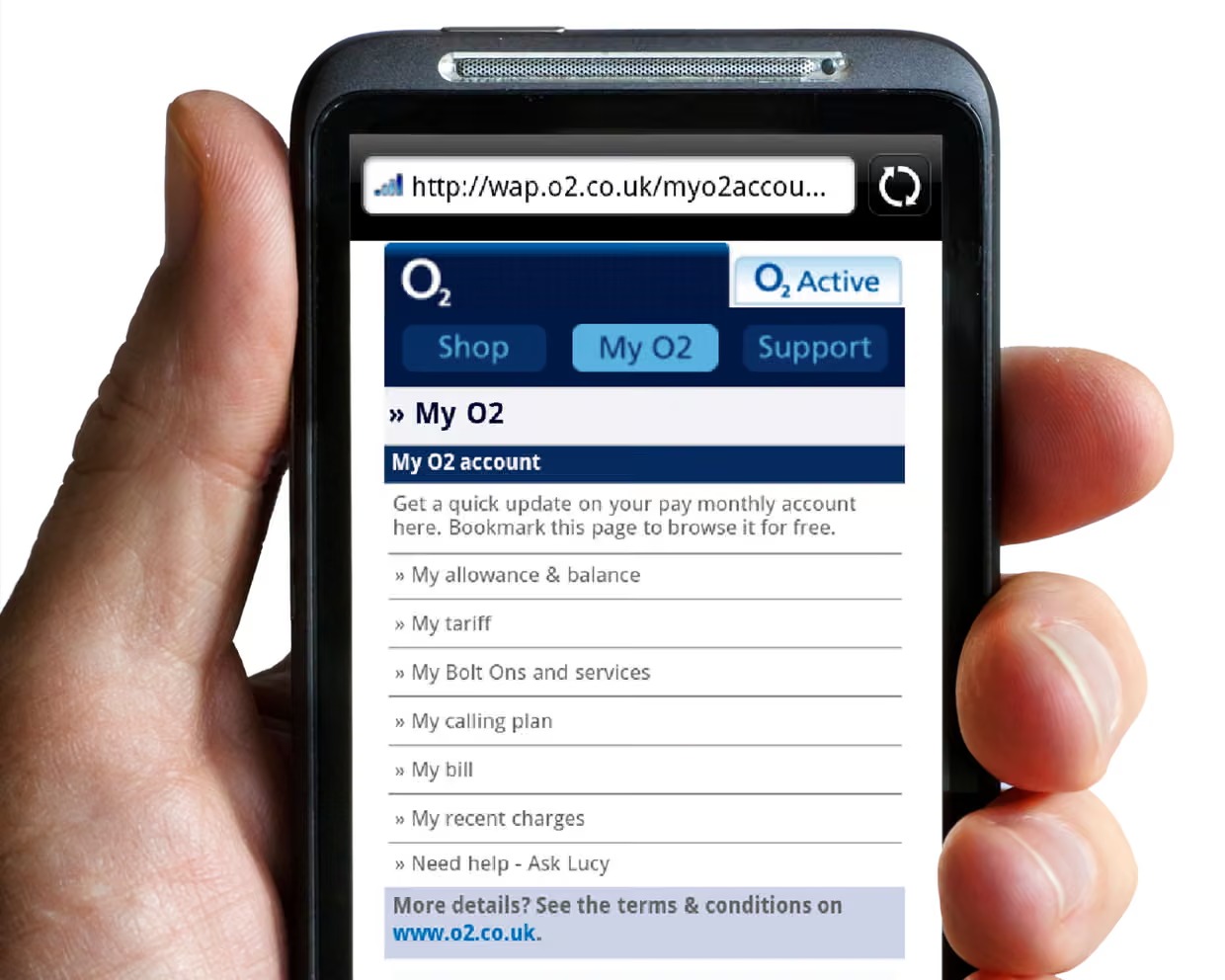
A Phone Contract Forced a Survivor Back Into Contact With Her Abuser
A British customer says O2 repeatedly required contact with an abusive former partner before it would separate a family account. The company has apologised, but the case shows how ordinary administrative rules can extend financial and coercive control.
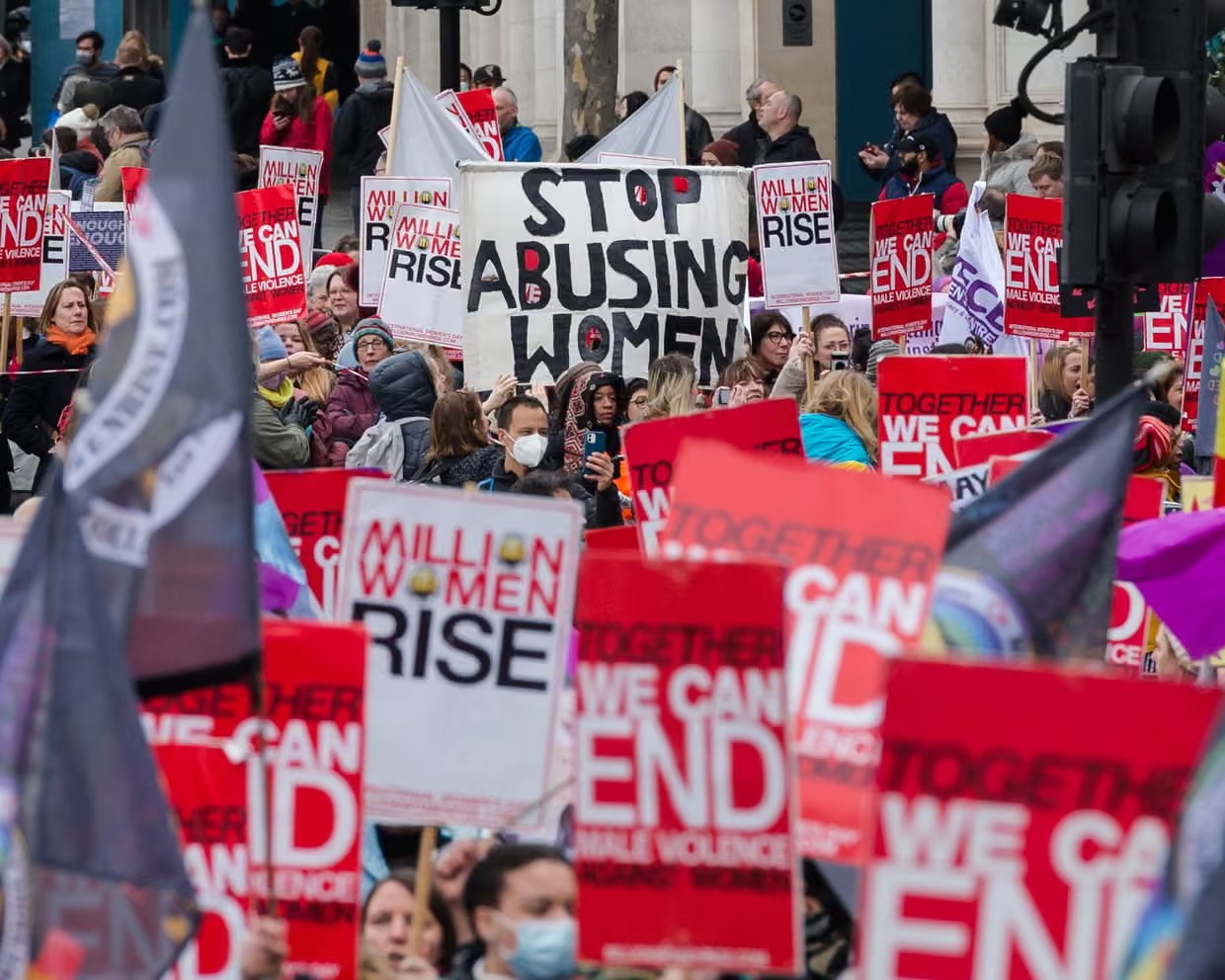
Scotland’s Violence Pledge Faces the Harder Test of Implementation
Scotland’s first minister has placed violence against women and girls at the centre of his governing agenda. Previous legal reforms were ambitious, but campaigners say weak implementation and strained services have limited their effect.
Murders and Gang Rapes of Women and Children Rose in August, Rights Monitor Warns
A human-rights monitor recorded a sharp rise in some of the most severe forms of violence against women and children in Bangladesh in August, including 91 murders and 12 gang rapes. The figures come from rights-group monitoring rather than a complete national crime database, but the month-to-month increase has raised fresh concerns over safety and accountability.

Nigeria’s Foreign-Aid Bill Could Put Women’s Rights Groups Under State Control
Proposed legislation would centralise oversight of foreign assistance and impose substantial penalties for non-compliance. Although not written specifically about gender, it could create new barriers for women-led organisations providing rights, health and survivor services.
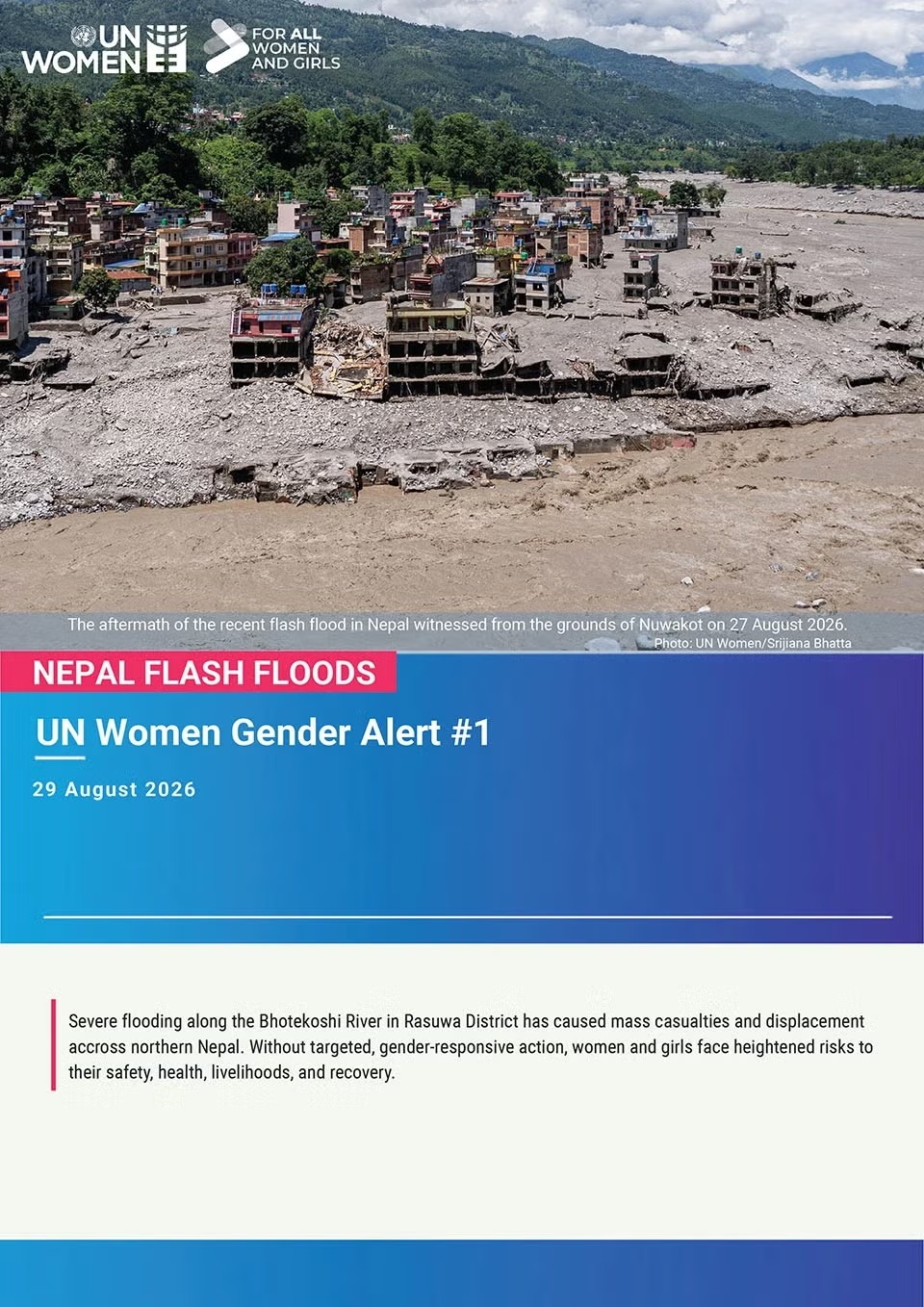
Nepal’s Flood Response Must Count Women Before Inequality Deepens
UN Women estimates that more than 157,000 women and girls have been affected directly or indirectly by flooding in two Nepalese districts. Relief systems must account for safety, reproductive healthcare, documentation and women’s unpaid care work from the beginning.
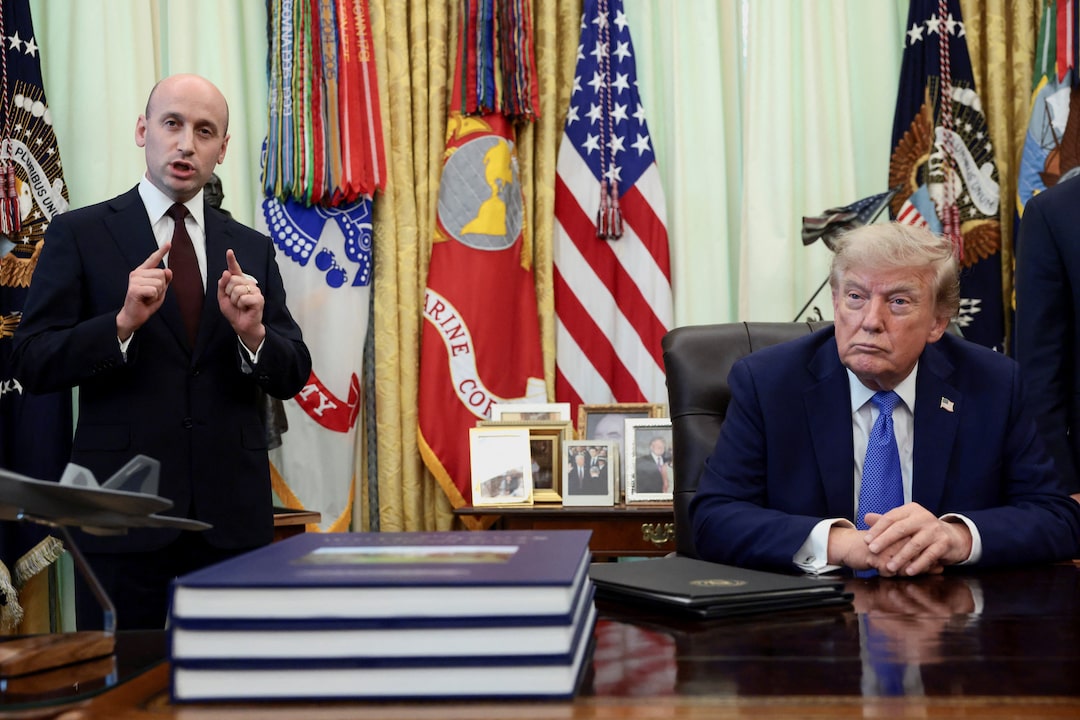
New US Citizenship Order Places Pregnant Migrants Under Greater Legal Suspicion
A federal judge has raised serious doubts about a new attempt to limit birthright citizenship but has not yet blocked it. The uncertainty could affect pregnant migrants long before a final court ruling
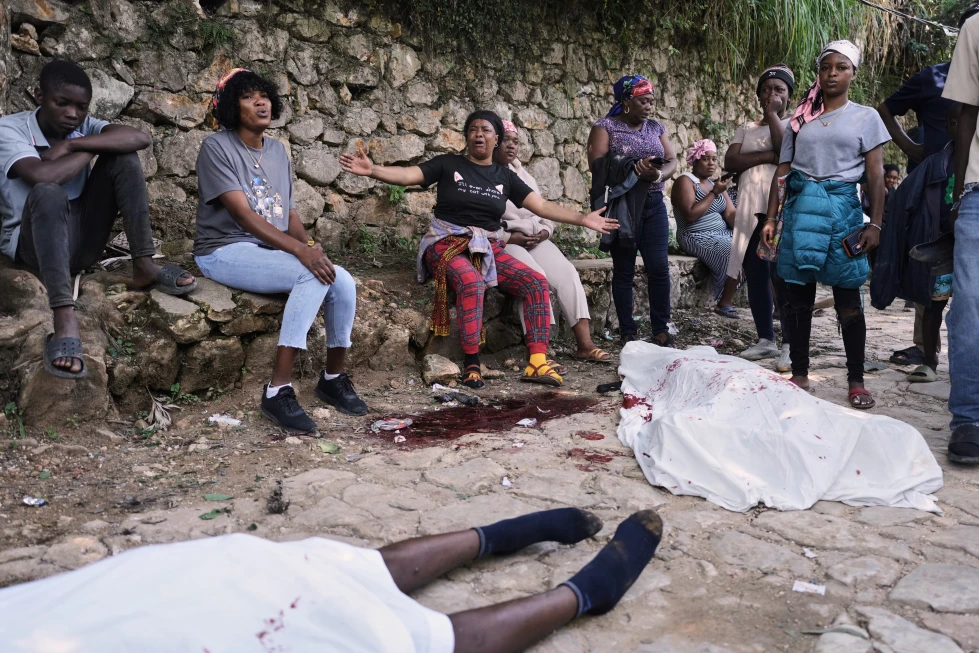
Children and Women Freed in Haiti Need Privacy, Care—and a Search for Those Still Missing Editor’s summary: A gang has released six children and seven women kidnapped during an attack that killed 47 people. Their return is welcome, but survivor care and
A gang has released six children and seven women kidnapped during an attack that killed 47 people. Their return is welcome, but survivor care and an accounting of everyone still missing must take priority over spectacle.
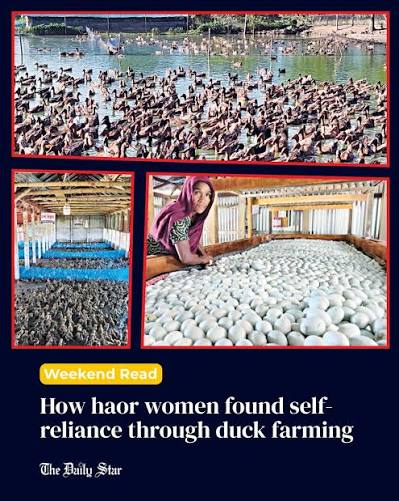
In Jashore, Small Livelihood Grants Put Economic Tools Directly in Women’s Hands
A local support programme in Jashore has provided sewing machines to economically disadvantaged women from ethnic-minority communities, while women entrepreneurs received agricultural processing equipment and students gained scholarships and bicycles—small interventions aimed at expanding both income and education opportunities.
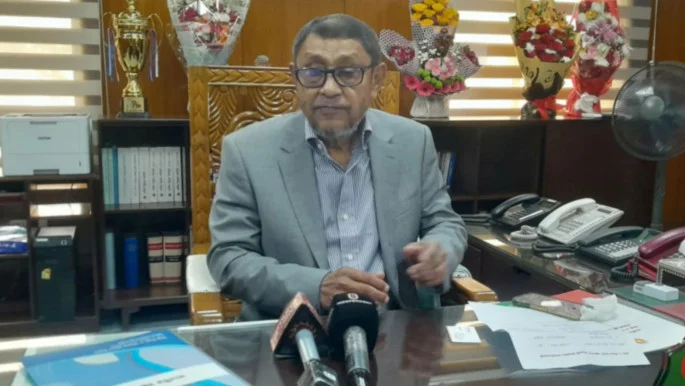
Bangladesh Plans New Measles Vaccination Drive as Parents Are Urged Not to Miss Children’s Doses
Bangladesh is preparing another nationwide measles vaccination campaign within the next three weeks, according to the health minister, as authorities urge parents—especially mothers—to make sure children do not miss routine and campaign doses.

Bangladesh Police Ordered to Speed Up Rape Investigations—Now the Test Is Delivery
Bangladesh’s police chief has instructed officers to accelerate rape investigations, reduce case backlogs and improve conviction rates. For survivors, the real test will be whether those orders lead to faster evidence collection, stronger case supervision and fewer investigations stalled by delay.
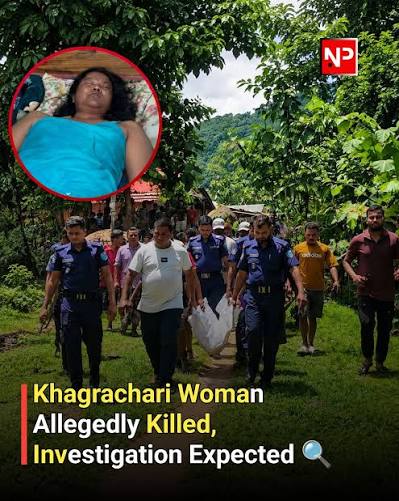
Police Investigate Death of Tripura Woman in Khagrachhari as Family Alleges Sexual Violence
Police are investigating the death of 30-year-old Nika Tripura in Mohalchari, Khagrachhari, after relatives alleged that she had been raped and killed. Authorities say the allegation has not yet been confirmed and that the investigation and autopsy findings will be crucial in establishing what happened.
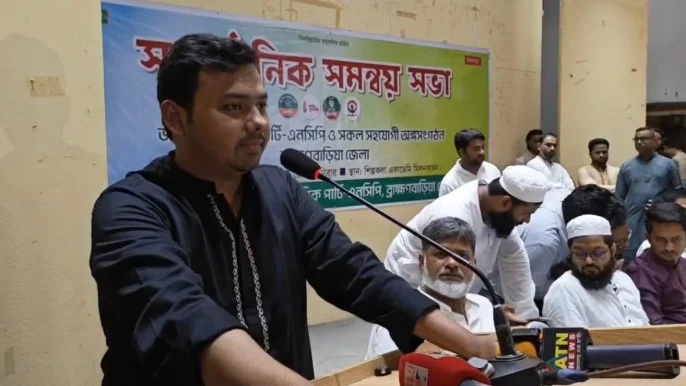
A Warning to Rumeen Farhana Tests the Space for Political Dissent in Bangladesh
An NCP leader has publicly warned independent MP Rumeen Farhana over what he described as her defence of the Awami League, using her election symbol—the duck—as part of a pointed political metaphor. The exchange raises a wider question about how much room elected representatives have to take unpopular positions without facing personalised threats or intimidation.

A Headteacher Left Bogura for Medical Care. A Mugging Near Parliament Cost Her Life
The death of primary-school headteacher Ranjina Parvin after a bag-snatching attempt in central Dhaka raises a wider women’s-safety question: how free is mobility when an ordinary journey can turn deadly?

Salty Water and Stress Are Emerging as a Dangerous Combination for Coastal Bangladeshi Women
New research from coastal Bangladesh suggests that women exposed to both highly saline drinking water and severe psychological distress may face substantially higher odds of hypertension, adding to growing evidence that climate change is becoming a direct women’s health issue.
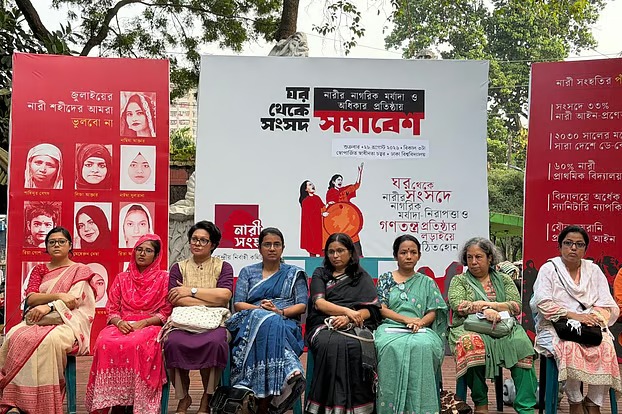
From Parliament to Daycare: Women’s Group Sets Out Five Demands for a More Equal Bangladesh
Women’s rights organisation Nari Samhati has presented a five-point agenda calling for 33% women lawmakers, nationwide daycare expansion, restored recruitment of women primary teachers, affordable menstrual products in schools and swift passage of sexual-harassment legislation.
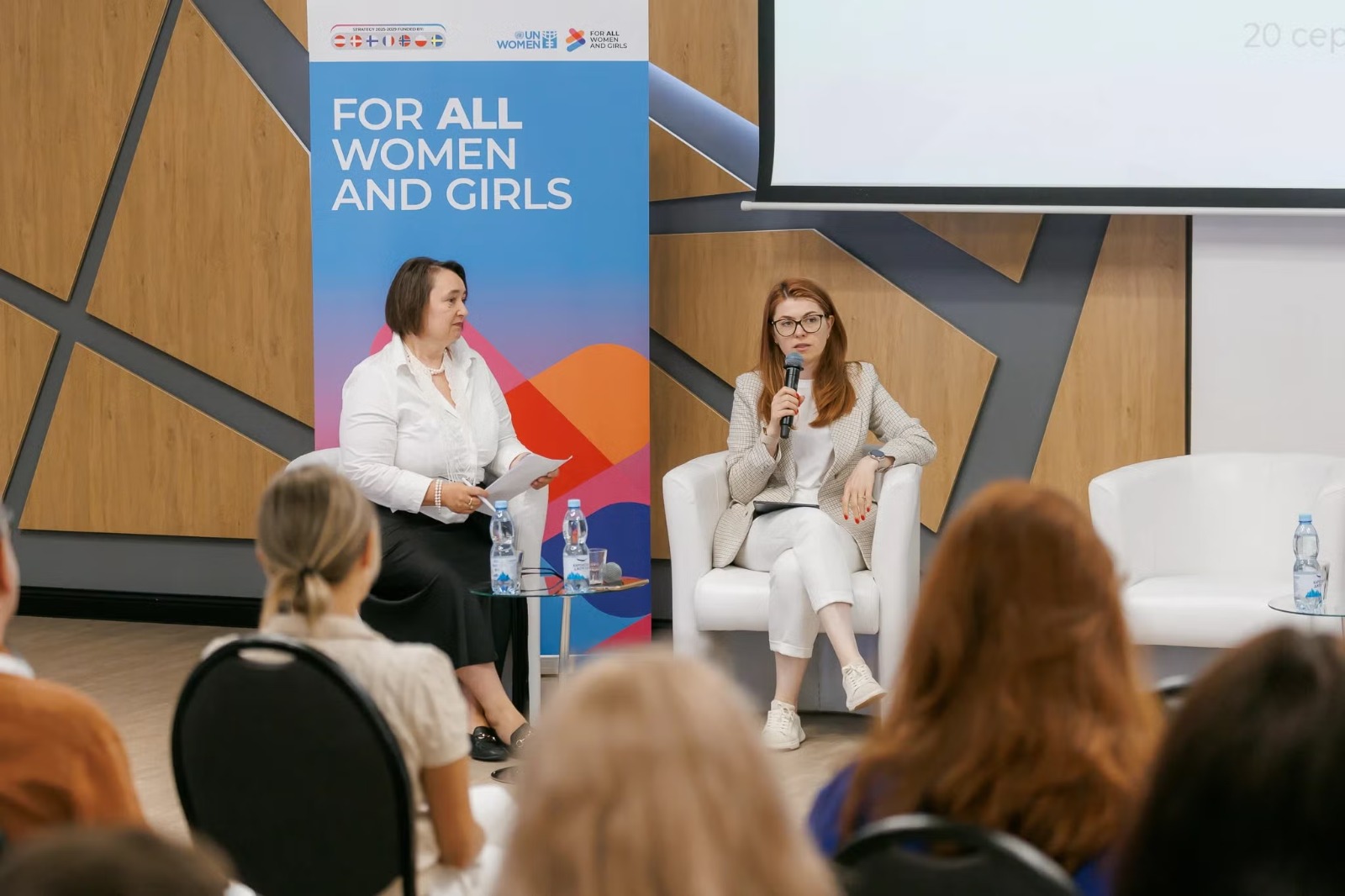
Ukraine’s Next CEDAW Report Must Measure What War Has Changed for Women
Ukraine is preparing its tenth report under the UN women’s-rights convention, covering 2022–2026. The process can create a public record of women’s leadership during the war—but also of violence, displacement and services lost.
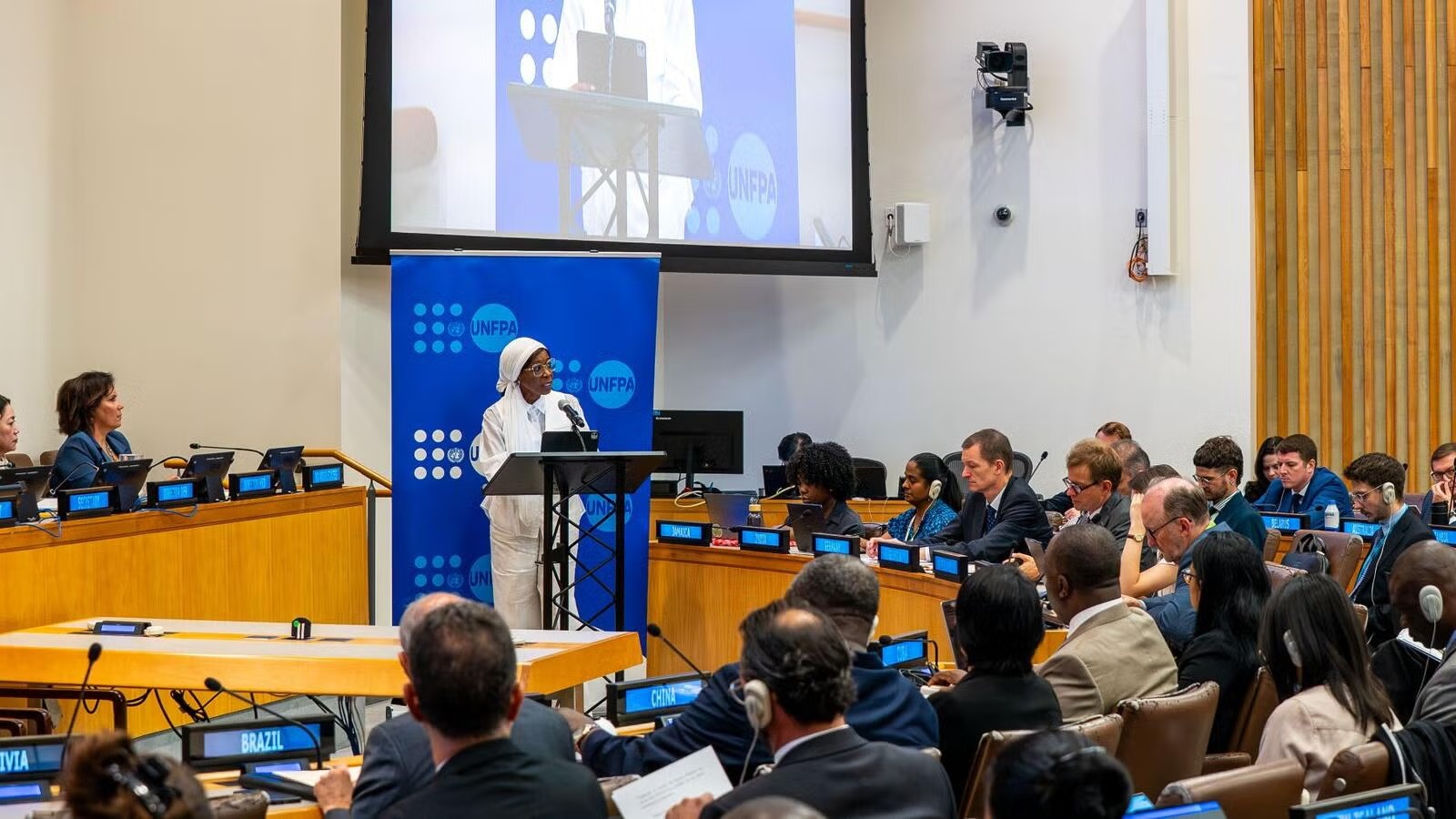
Cameroon’s New UNFPA Programme Puts a $50 Million Promise Against Maternal Death and Violence
A newly approved five-year programme links reproductive healthcare, protection from gender-based violence and women’s participation. Its credibility will depend on financing, regional reach and public outcome data.

When Women Don’t Control Land, Are They More Vulnerable to Violence?
A new Dhaka discussion has put women’s land rights and violence back in the spotlight. The evidence shows a stark ownership gap: only a small minority of rural women have secure rights over agricultural land. But the relationship between landlessness, economic dependence and violence needs more careful attention than a headline statistic can provide.
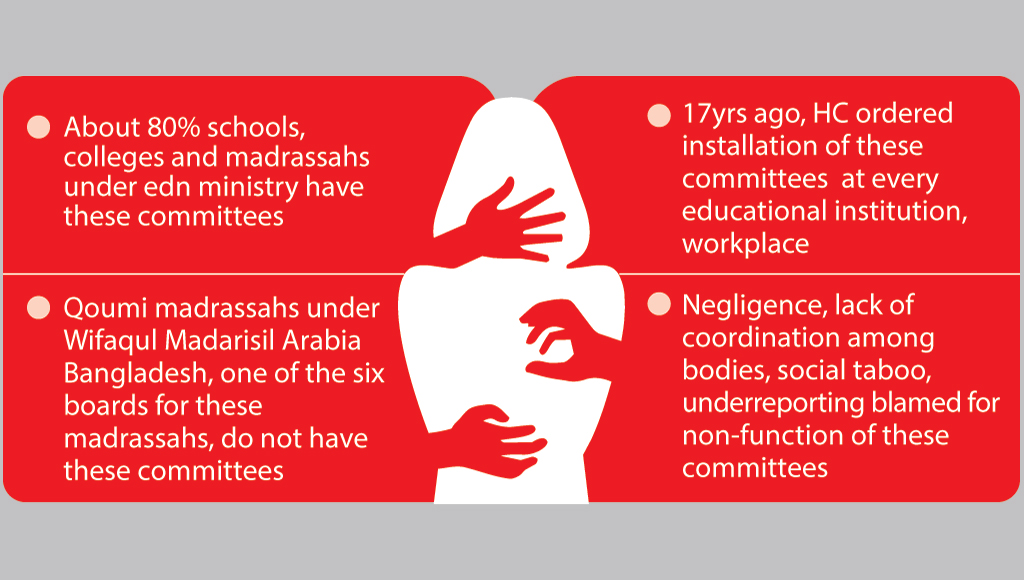
Bangladesh Universities Have Sexual-Harassment Committees. Why Aren’t Many of Them Working?
Seventeen years after the High Court ordered educational institutions to create formal complaint mechanisms, Bangladesh’s university regulator says many campus sexual-harassment committees are still not functioning properly. A new UGC–UN Women initiative is trying to close the gap between having a committee on paper and having a system students can actually trust.
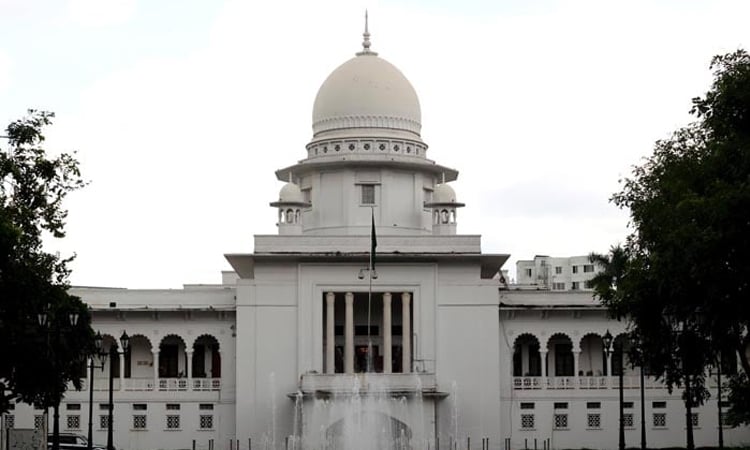
High Court’s Dedicated Bench Delivers 17 Verdicts in Violence Against Women and Children Cases
A specially constituted High Court bench has delivered judgments in 17 cases in about two and a half months while prioritising death references and appeals under Bangladesh’s Women and Children Repression Prevention Act—raising hopes that specialised judicial attention could help reduce delays in some of the country’s most serious violence cases.
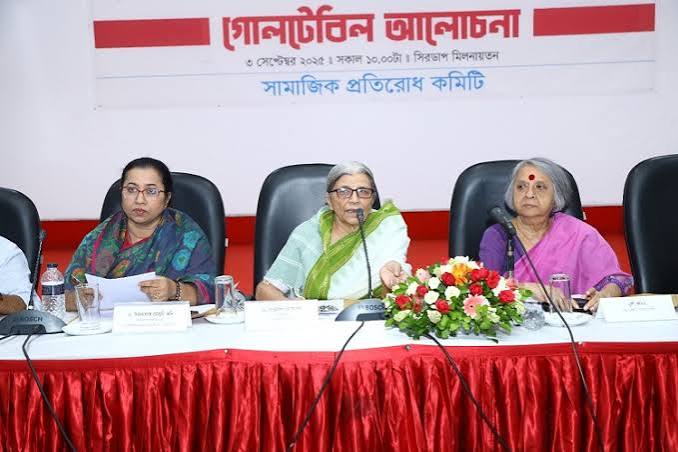
Debate Erupts Over Expanding the Role of Bangladesh’s Reserved-Seat Women MPs
A proposed legal amendment that could give reserved-seat women MPs responsibility for overseeing development activities in general constituencies has triggered objections from 67 directly elected lawmakers, reopening a wider debate over the authority, representation and institutional role of women in Bangladesh’s parliament.

Ecuador’s Faster Adoption Law Creates New Barriers for Lesbian Applicants
A law intended to shorten adoption procedures explicitly excludes single lesbian, gay and bisexual applicants and threatens some parents of transgender children. Efficiency cannot justify discrimination.

One Year On, Iraqi Women Warn Personal-Status Code Is Reshaping Family Rights
An Iraqi lawyer says the Ja’fari Personal Status Code may weaken women’s influence over marriage, divorce and custody decisions. The first anniversary demands evidence about how courts are applying it.

Women Musicians Say a Female-First Festival Can Be Both Joyful and Political
Artists preparing for Olivia Rodrigo’s Daisy Chain Fields describe an industry still shaped by scarcity and competition between women. Their voices position the festival as a test of a more collaborative model.
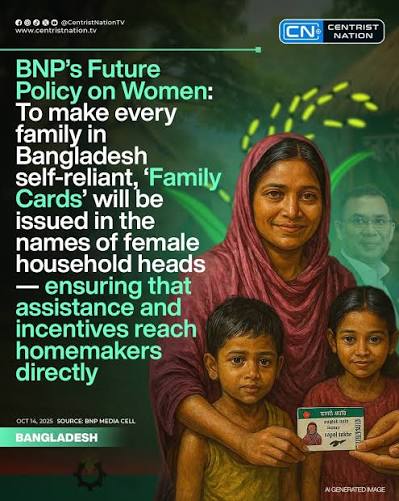
Bangladesh Is Putting Family Support in Women’s Names
Bangladesh’s Family Card Programme sends household support through women and female heads of families. A new government policy note sees major potential for women’s empowerment — but early evidence raises a harder question: who actually controls the money after it arrives?
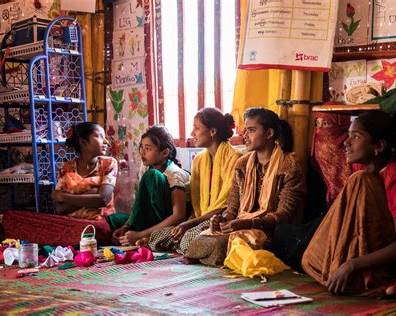
As Aid Shrinks, the Safe Spaces Protecting Rohingya Women Are Being Hollowed Out
In Cox’s Bazar, women-only centres have spent years helping Rohingya women report violence, access healthcare, receive counselling and simply find somewhere they feel safe. A new investigation warns that funding cuts are stripping away the prevention work that made those spaces effective — just as reported gender-based violence is rising.

Shabreen Shaka Meem Finds a New Stage in Helping Marginalised Children
Former actor Shabreen Shaka Meem has spent more than a decade away from television, redirecting her public profile toward education and support for marginalised children.
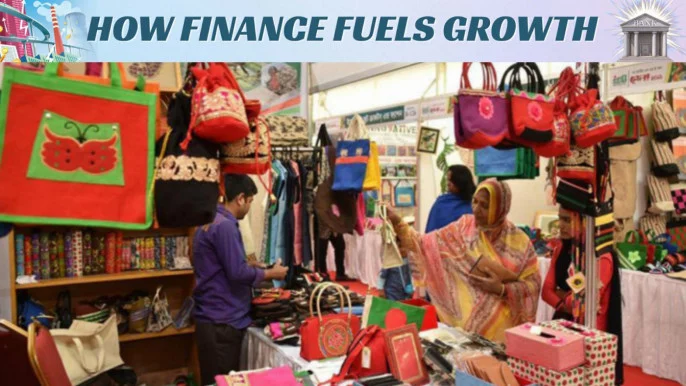
Women Entrepreneurs Are Still Receiving Too Little of Bangladesh’s SME Financing
A Tangail entrepreneur’s struggle to finance new machinery illustrates a much larger problem: women now receive only 7.28% of Bangladesh’s SME lending despite a policy target of 15%.

‘Durbar Konnya’ Puts Girls at the Centre of Bangladesh’s Climate Response
: Plan International Bangladesh’s new model aims to turn adolescent girls and young women in climate-vulnerable communities from people seen mainly as victims into participants in disaster preparedness and climate decision-making.

Stopping Violence Against Women Requires Men to Challenge Other Men
Bangladesh’s violence-against-women crisis cannot be addressed only by asking women to protect themselves. Families, schools and communities also need men and boys to challenge harassment, control and violence among their peers.
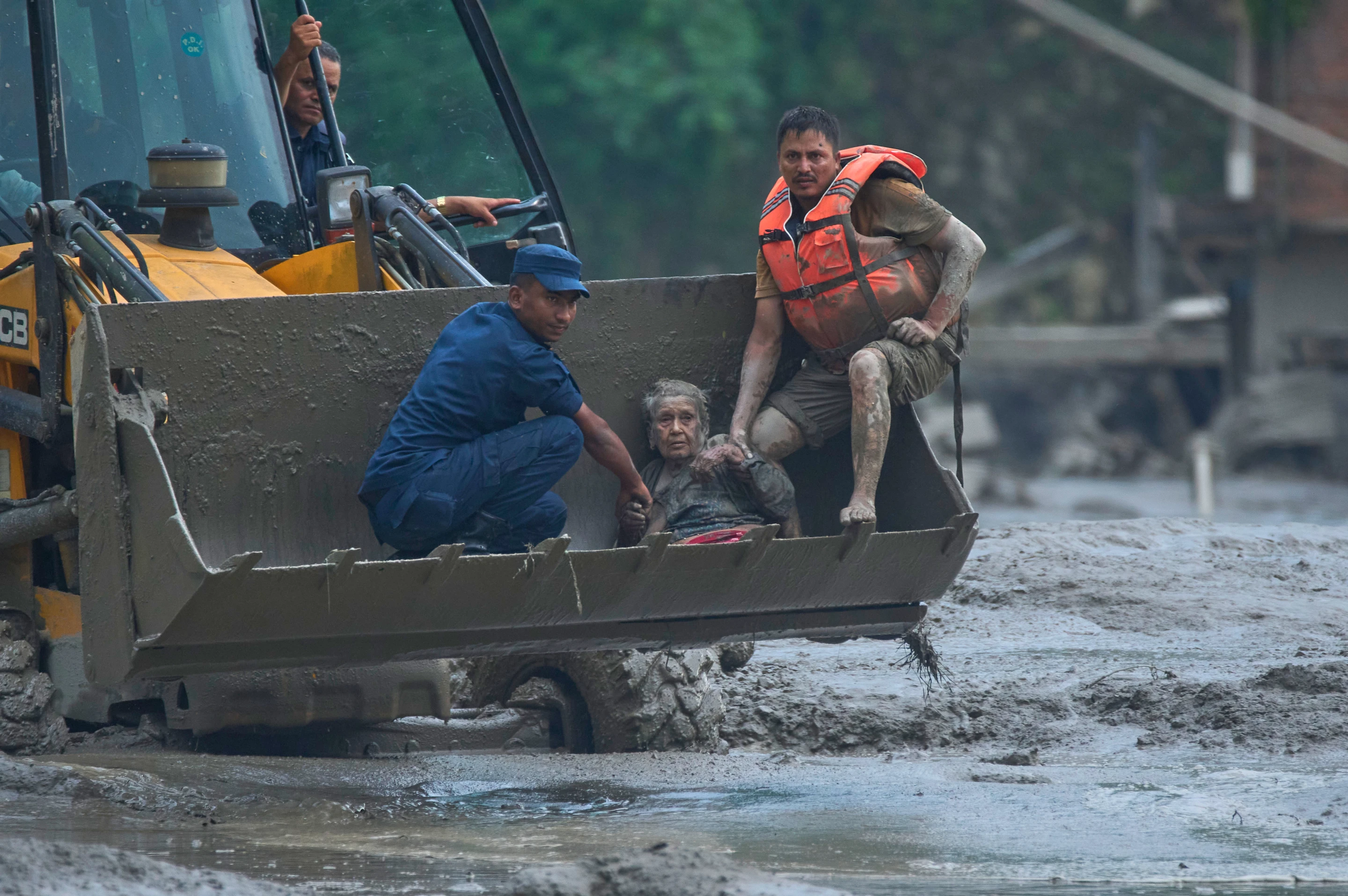
Nepal’s Deadly Floods Highlight Women’s Protection Needs in Emergency Response
Flash floods have caused mass casualties and disappearances in Nepal. Emergency planning must account for pregnant women, caregivers, women-headed households and people exposed to violence in temporary shelter.
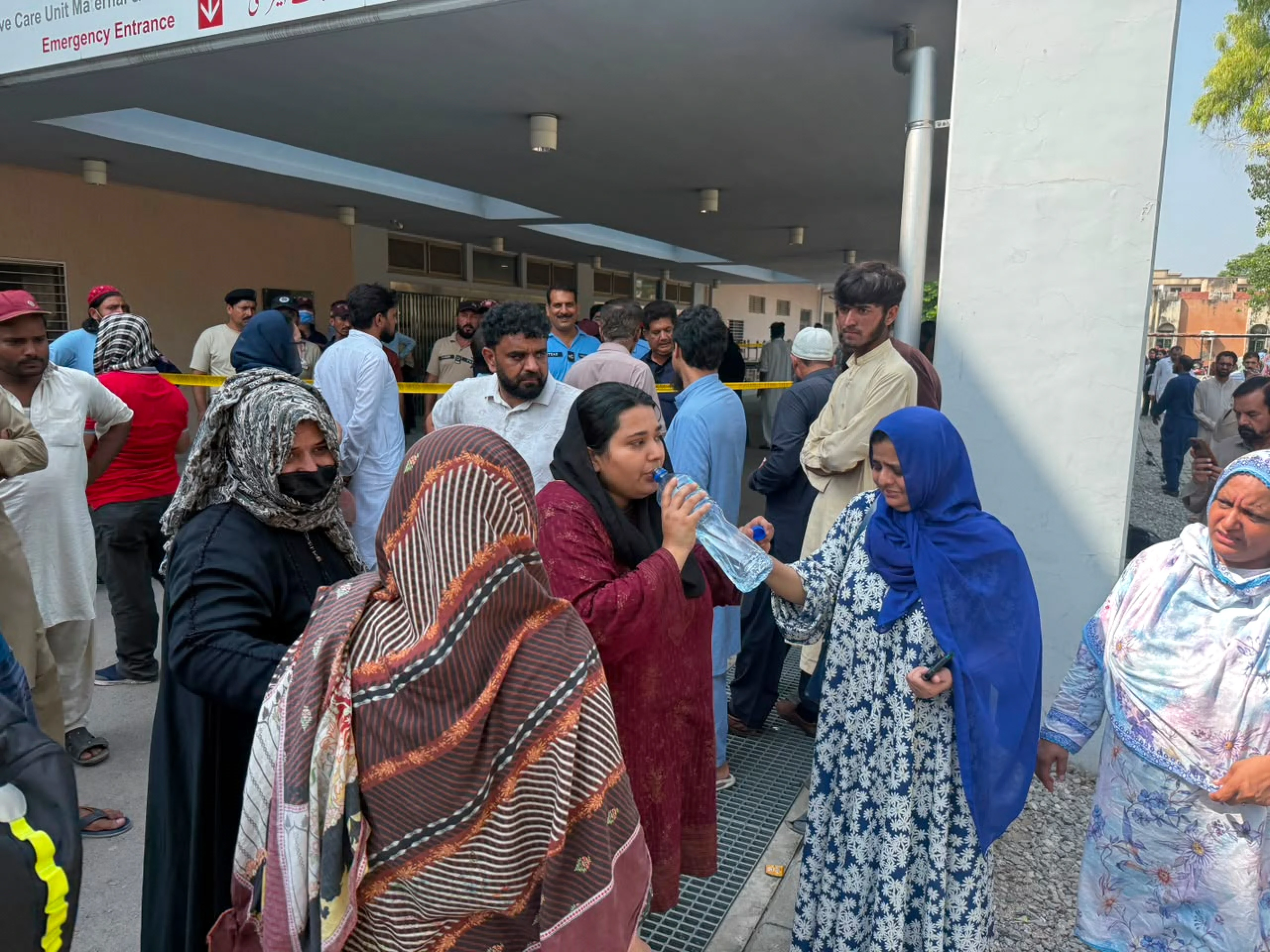
Islamabad Nursery Fire Raises Urgent Questions About Public-Hospital Safety
Fourteen newborns died in a fire at a government hospital in Pakistan’s capital. The tragedy demands an independent investigation focused on prevention and accountability rather than grief as spectacle.
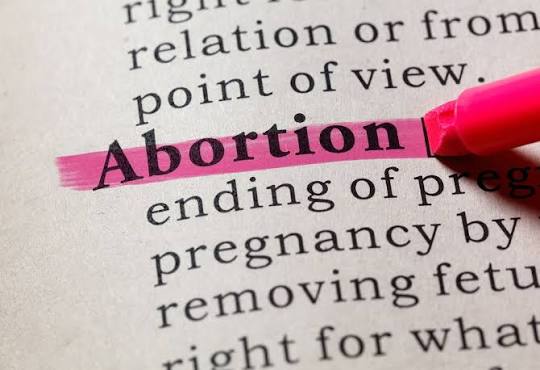
Study of Abortion Narratives Highlights the Need for Clear Aftercare Information
Women’s online accounts following medication abortion may reveal confusion, isolation and difficulty identifying trustworthy healthcare information.
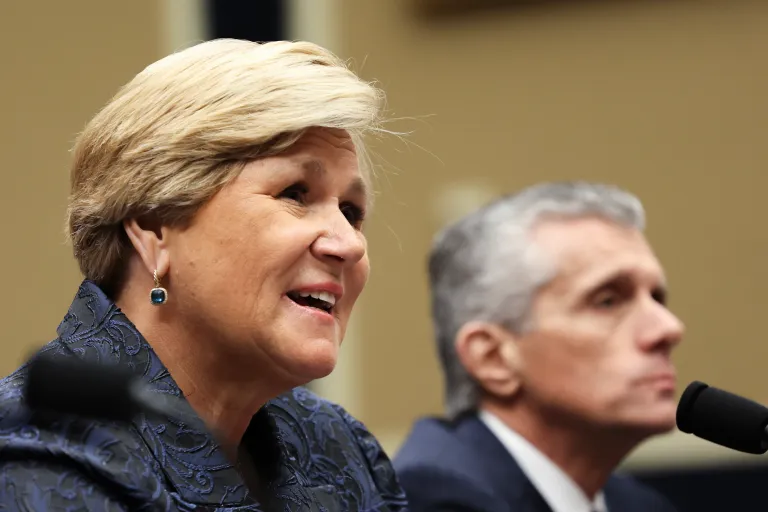
Record Number of Women CEOs Still Amounts to Only 34 Global 500 Companies
Women now lead a record 34 Fortune Global 500 corporations, but that represents less than 7% of the list and none of its 30 largest businesses.
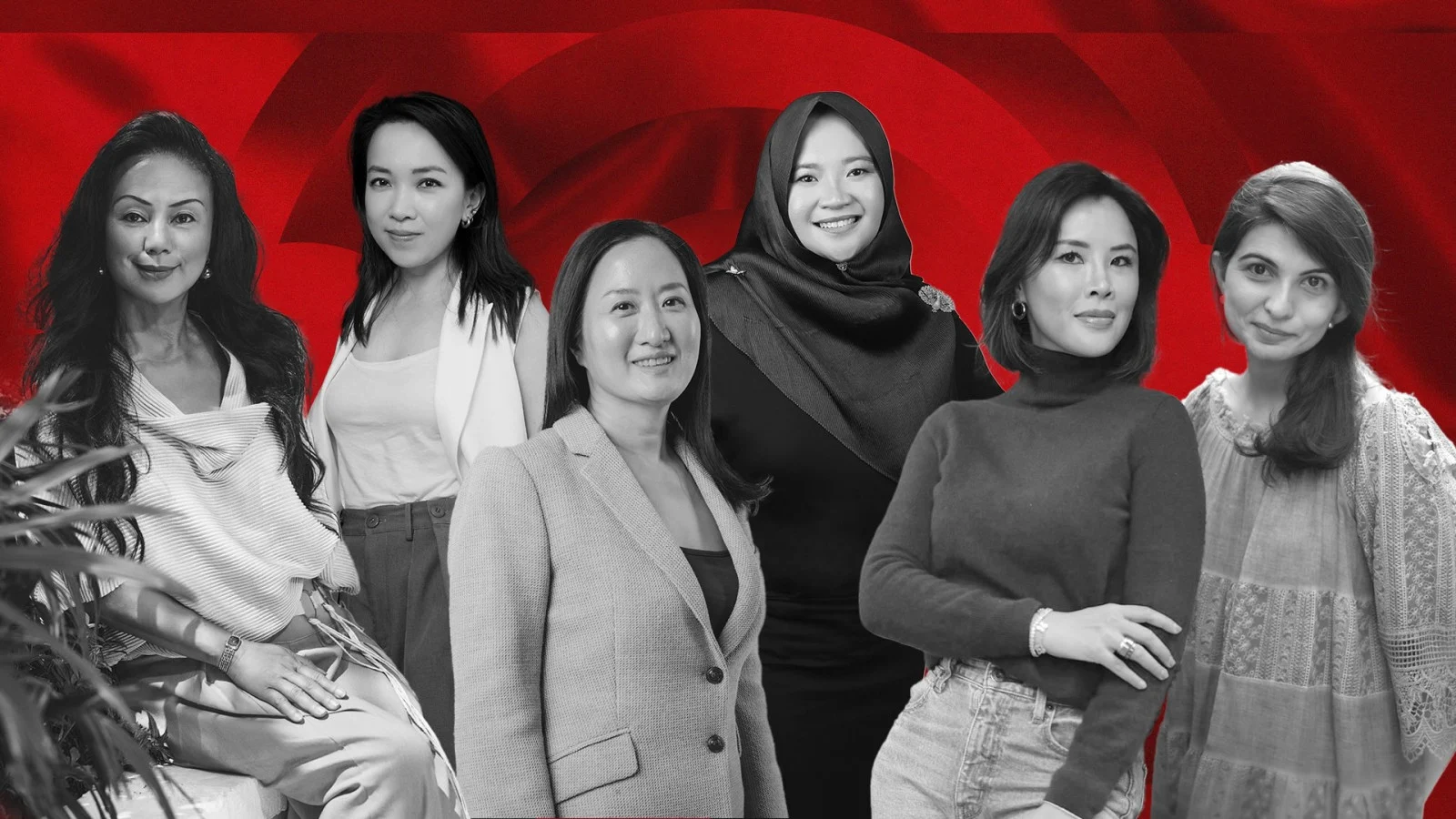
17 Changemakers Shortlisted for Singapore’s Front & Female Awards 2026
From artificial intelligence and clean technology to women’s health, education and social impact, 17 leaders and founders have been shortlisted for the Front & Female Awards Singapore 2026. The finalists were selected from more than 150 nominations.
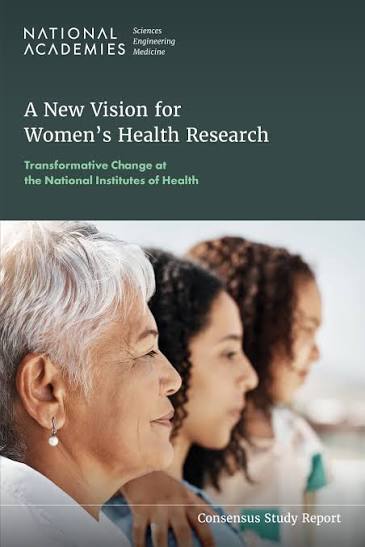
National Academies Project Seeks to Measure Gaps in US Women’s Health Research
The project will examine how funding is distributed across conditions affecting women and develop a framework for identifying persistent research gaps.

Women’s Flag Football Moves Closer to NCAA Championship Status
More than 120 US colleges are expected to field teams as women’s flag football advances toward possible national championship recognition.
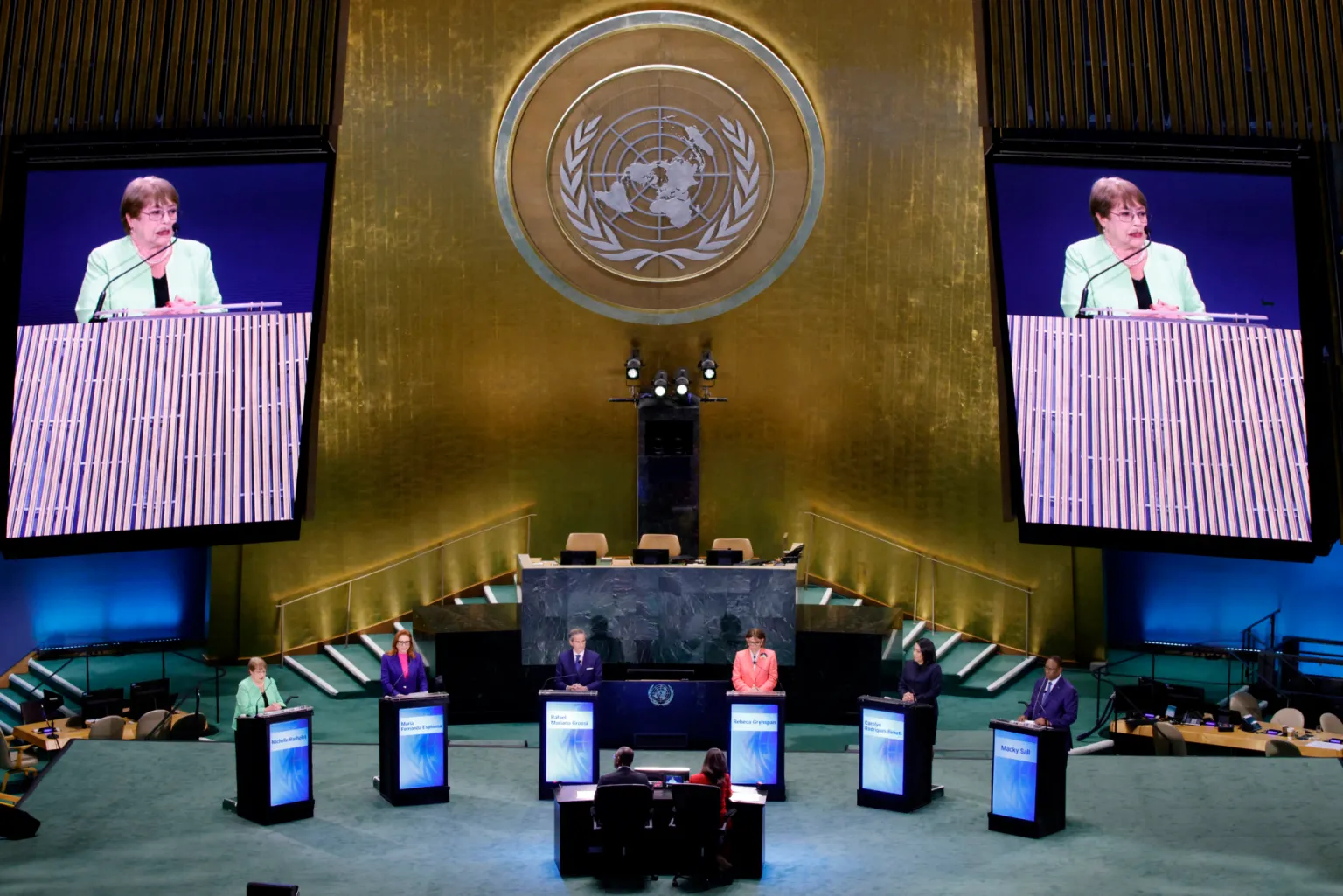
Women Dominate the Race to Become the UN’s Next Secretary-General
Several experienced women are competing to lead the United Nations, creating the strongest possibility yet that the organisation may appoint its first female secretary-general.
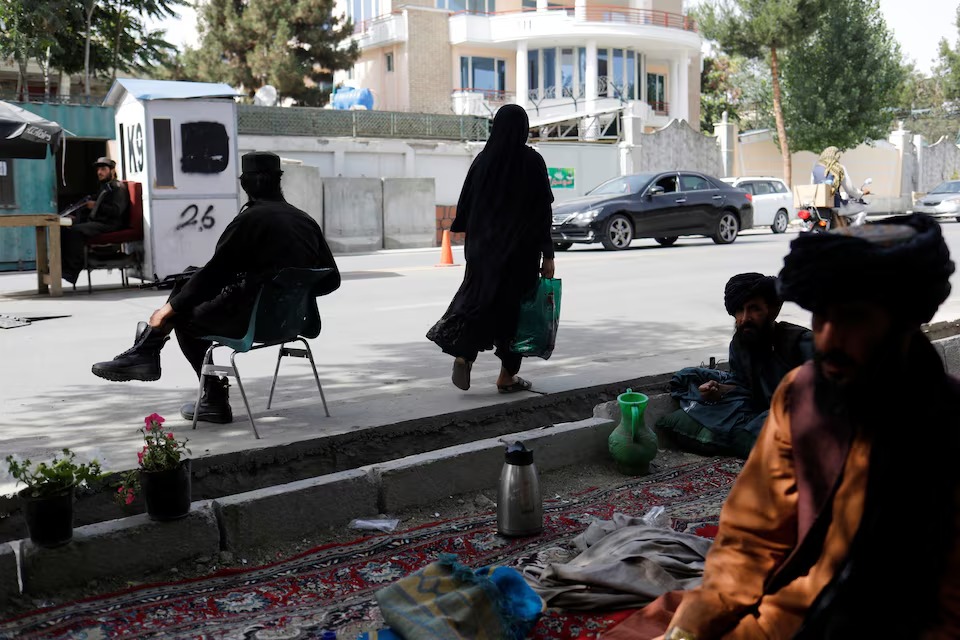
Half of Afghan Women Rarely Leave Home as Restrictions Deepen
New UN Women data shows how restrictions have transformed women’s isolation from an individual experience into a nationwide system of exclusion.
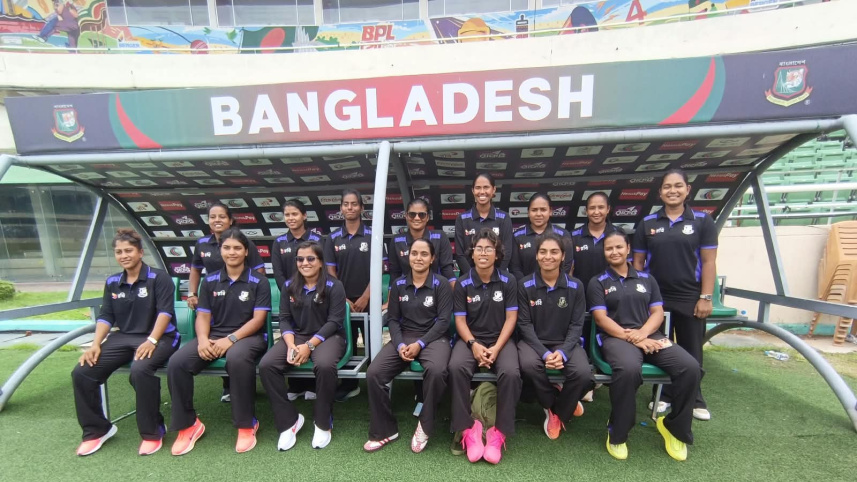
Nigar Sultana Joty Sets Bangladesh a Bigger Goal: Reach the Asia Cup Final
Bangladesh captain Nigar Sultana Joty says her team wants to break its recurring semifinal barrier at the Women’s T20 Asia Cup before pursuing an Asian Games medal.
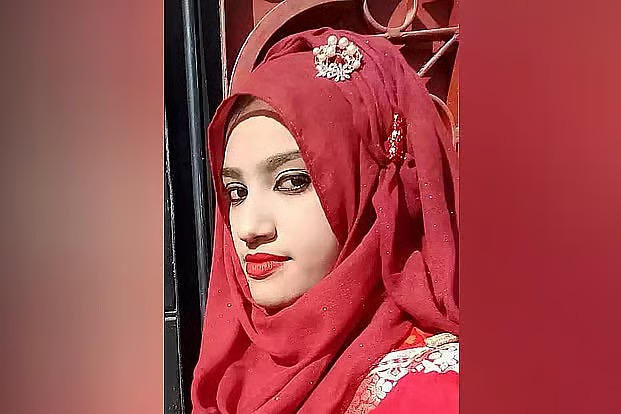
Nusrat Jahan Rafi Case: High Court Upholds Two Death Sentences, Acquits 10
Seven years after Nusrat Jahan Rafi was set on fire after reporting sexual harassment, Bangladesh’s High Court has substantially revised the trial court verdict in the case that became a national symbol of violence against women.
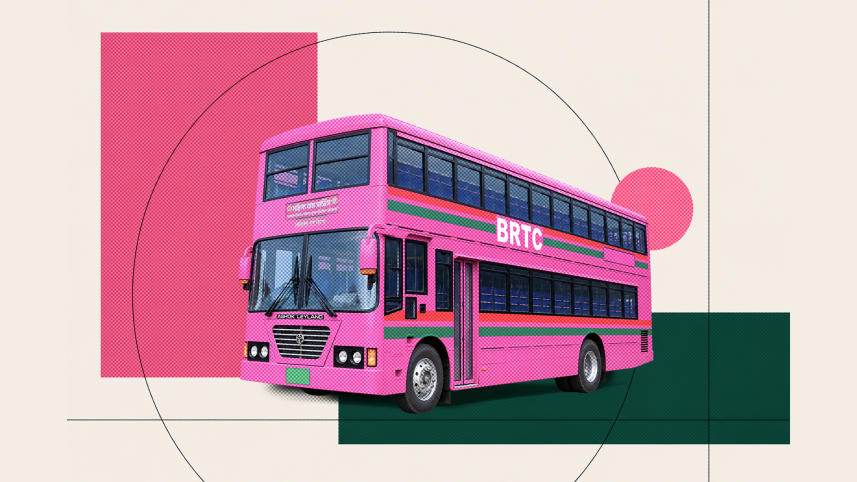
Women-Only Buses Cannot Be the Final Answer to Women’s Unsafe Commutes
Bangladesh’s new Pink Bus service has revived an older debate: should women need separate transport to feel safe, or should every bus become safe enough for them to use without fear?

4,226 Bangladeshi Women Travelled to China on Family Visas—Now Authorities Are Tightening Scrutiny
The number of Bangladeshi women travelling to China on long-term Q1 family visas rose dramatically between 2022 and 2025. The figures do not show how many were trafficking victims — but amid allegations of sham marriages and abuse, Bangladesh is preparing tighter checks on marriages involving foreign nationals.

Bangladesh’s Women Grow the Food. Why Can’t They Control the Market?
Rural women are deeply involved in planting, harvesting, livestock and food processing across Bangladesh. But when crops reach the market, men are still more likely to negotiate with buyers, control major investments and decide where the money goes.

Cameroon’s First WAFCON Crown Renews the Case for Investment in African Women’s Football
Cameroon’s breakthrough and Malawi’s unexpected run to the final demonstrate the competitive depth that can emerge when women’s teams receive meaningful support.
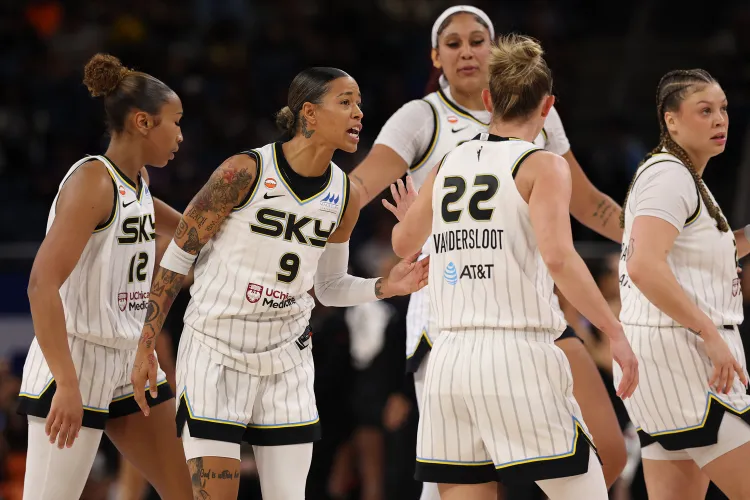
Objects Thrown at WNBA Players Turn Misogynistic Pranks Into a Safety Threat
Repeated court disruptions have prompted players to demand stronger action against behaviour they describe as degrading to women and LGBTQ+ athletes.
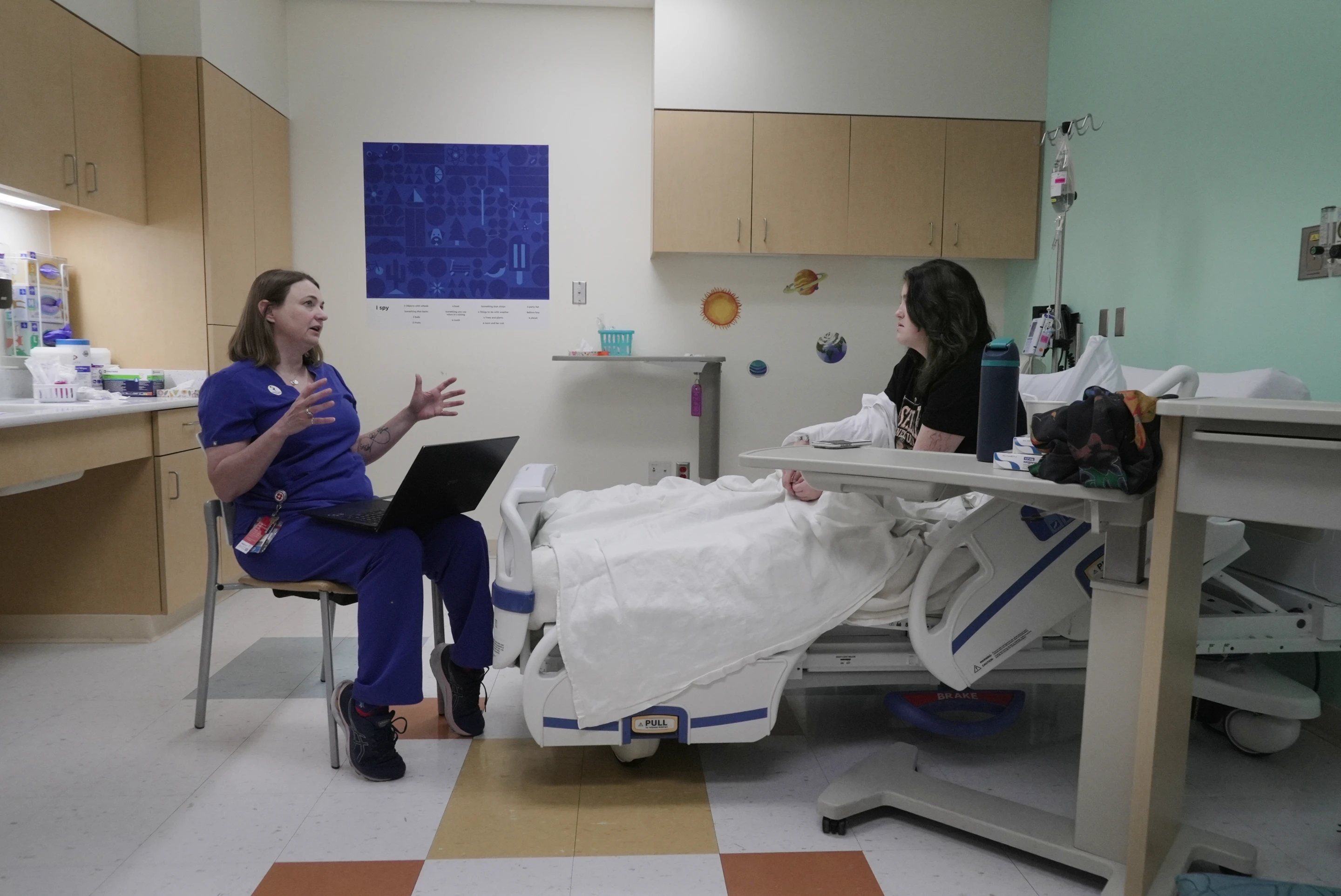
GLP-1 Medicines Show Early Promise for PMOS—but Evidence Remains Limited
Small studies suggest obesity medicines may improve metabolic and reproductive symptoms associated with the hormonal condition formerly called PCOS.
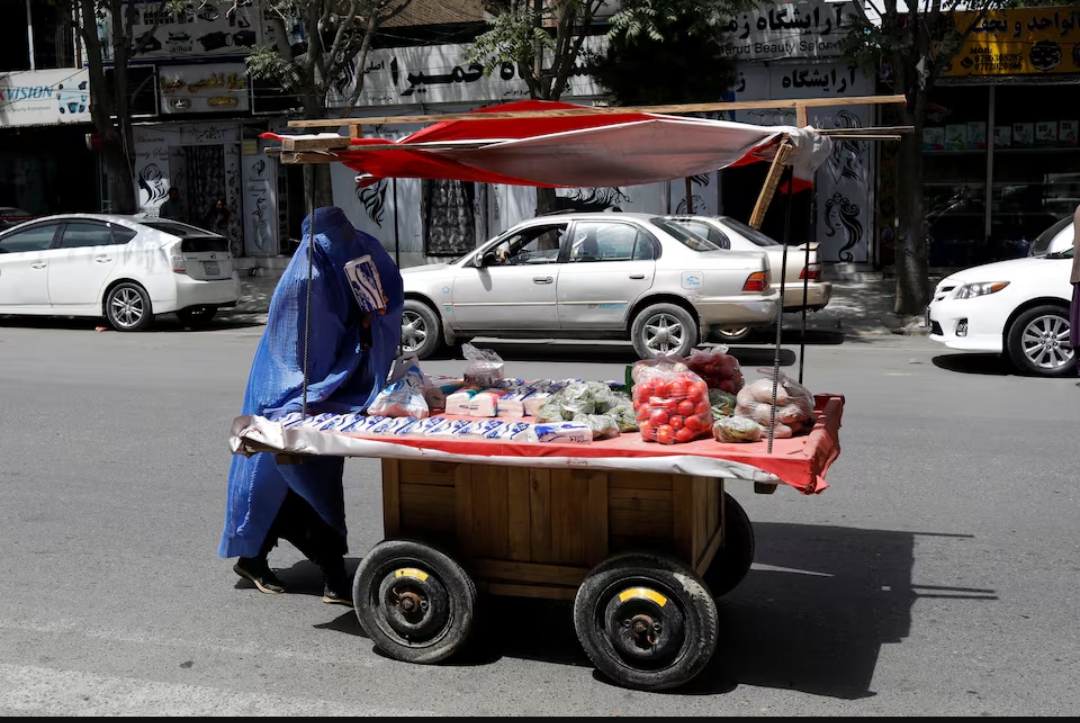
Afghan Women’s Share of the Labour Market Falls to Just 5%
New ILO estimates illustrate how restrictions on education, movement and employment are removing Afghan women from economic life.

AFL Faces Calls for Institutional Reform Over Its Treatment of Violence Against Women HOLD — active police investigation; obtain official AFL and Sydney Swans statements.
Australian advocates say sporting organisations must move beyond reputation management and adopt measurable systems for preventing violence against women
tudy Links Partners’ Objectification of Other Women to Lower Wellbeing HOLD — independent expert interpretation required before publication.
New research examines whether repeatedly seeing a partner objectify other women can affect women’s body image, self-esteem and relationship satisfaction.
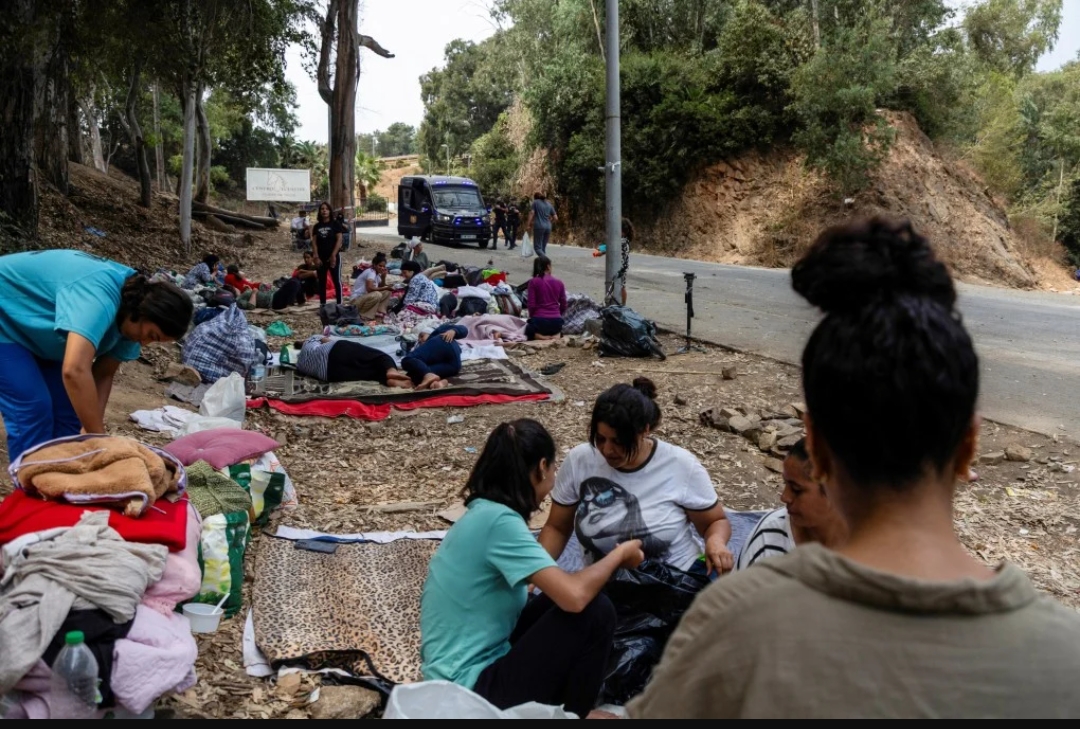
Migrant Women in Ceuta Say Harassment Compounds an Already Dangerous Journey
Women who reached Spain’s North African enclave during a mass border crossing say inadequate shelter and registration delays have exposed them to harassment and fear.

Migrant Women in Ceuta Say Harassment Compounds an Already Dangerous Journey
Women who reached Spain’s North African enclave during a mass border crossing say inadequate shelter and registration delays have exposed them to harassment and fear.
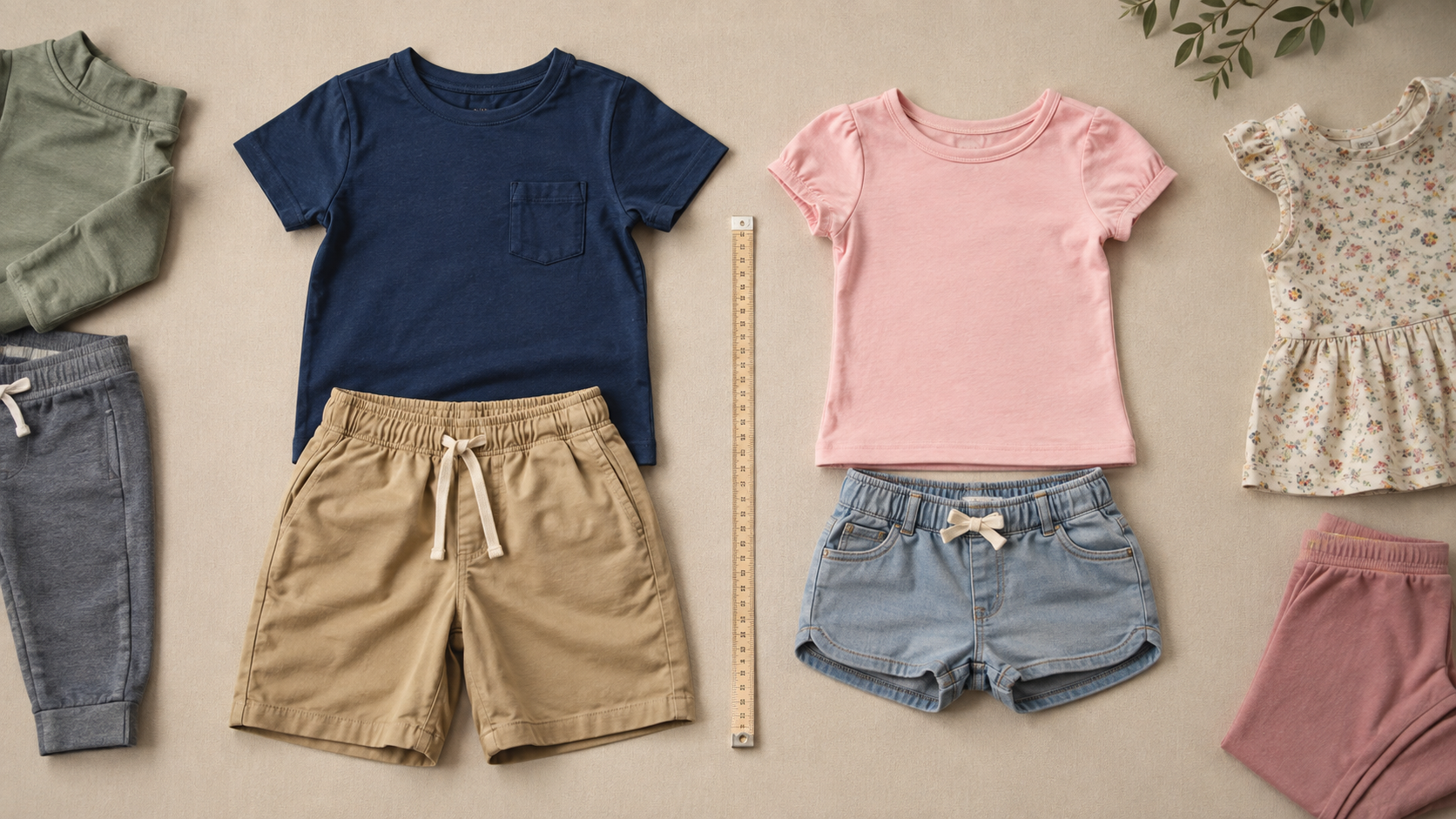
Why Are Girls’ Shorts So Much Shorter? Parents Are Questioning the Gender Divide in Children’s Clothing
Parents are questioning why clothes made for girls are often shorter, tighter and more revealing than similar styles sold for boys. The debate may be trending again on social media, but research shows concerns about the gender divide in children’s clothing have existed for more than a decade.
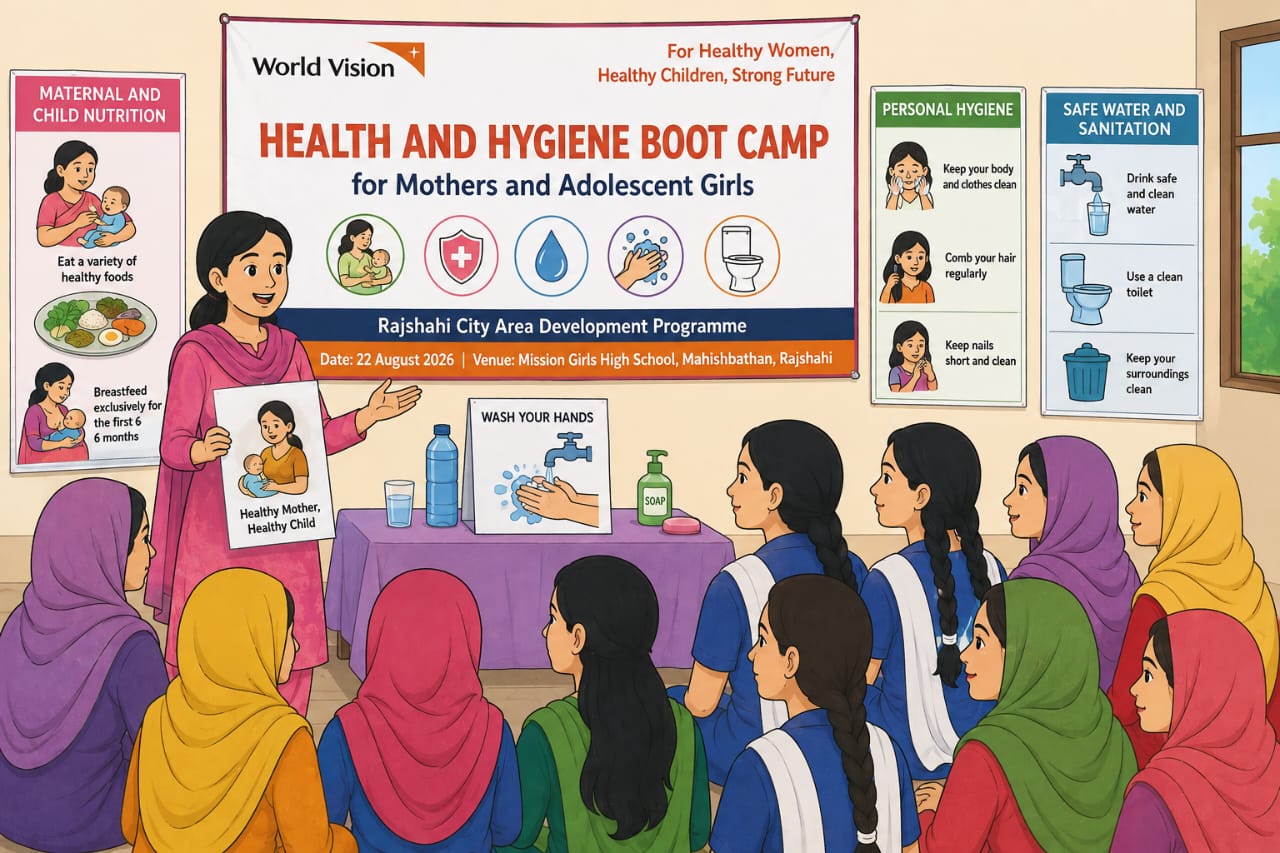
250 Mothers and Adolescent Girls Join Health and Hygiene Programme in Rajshahi
A World Vision Bangladesh initiative brought mothers and teenage girls together for hands-on learning on nutrition, hygiene, safe motherhood and child health — highlighting why prevention often begins with knowledge at home.

Bangladesh Has Had Women at the Top. Why Are Women Still Missing From Political Power?
State Minister Shama Obaid says political parties must change how they recruit, support and nominate women. The numbers from Bangladesh’s 2026 election suggest the leadership pipeline remains remarkably narrow.

More Than 100 Female Workers Reportedly Fall Ill at Adamjee EPZ Factory
The cause remains unconfirmed after workers at Universal Menswear in Narayanganj became sick one after another. A BEPZA official initially suggested heatstroke, raising wider questions about occupational health and heat protection for women in Bangladesh’s garment sector.
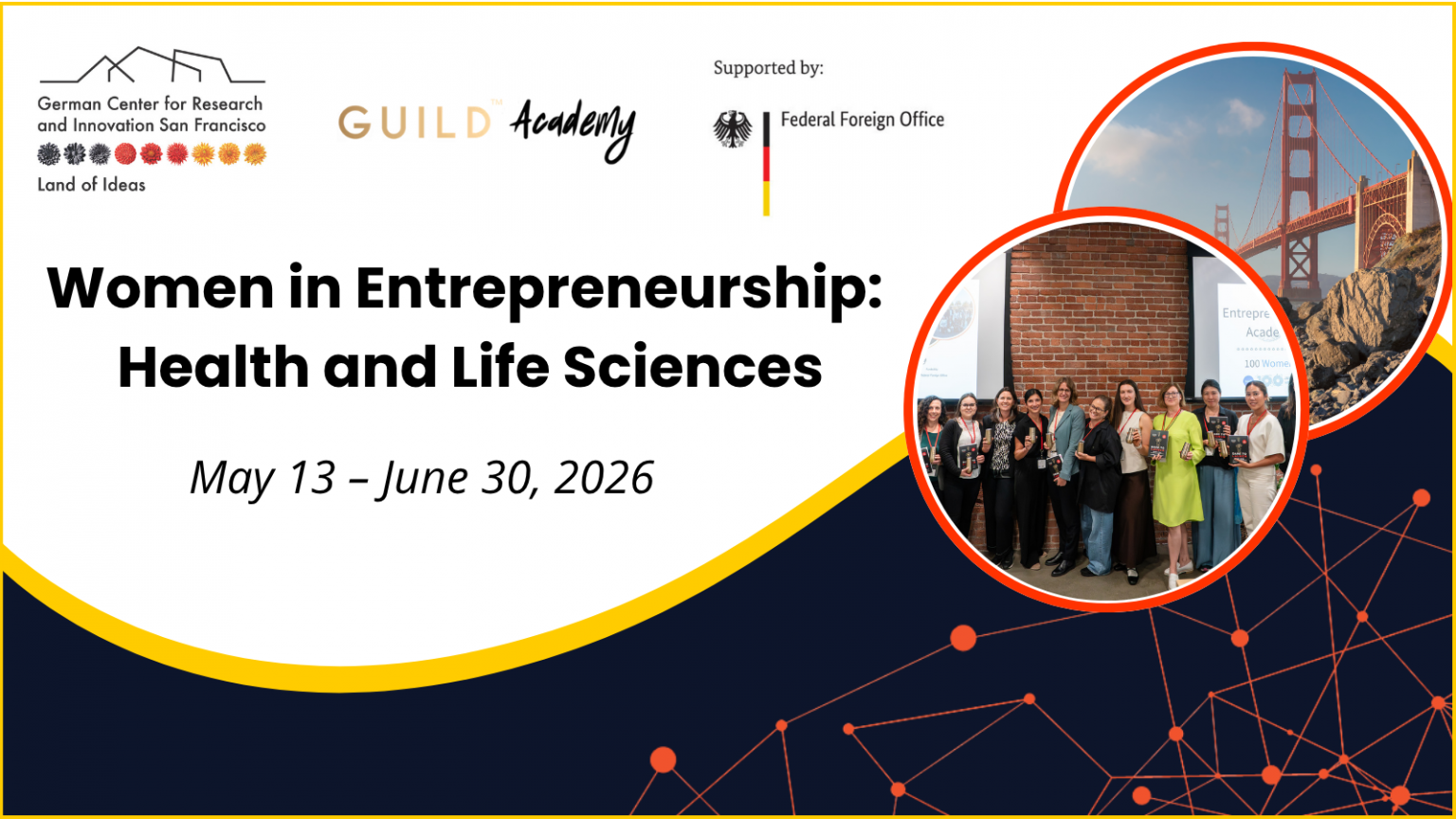
Health and Life-Science Entrepreneurship Programme Opens to Women Founders HOLD — confirm current availability of the 100 places before publication.
An English-language entrepreneurship programme is offering women in health and life sciences an eight-week route to validate ideas and explore commercialisation.
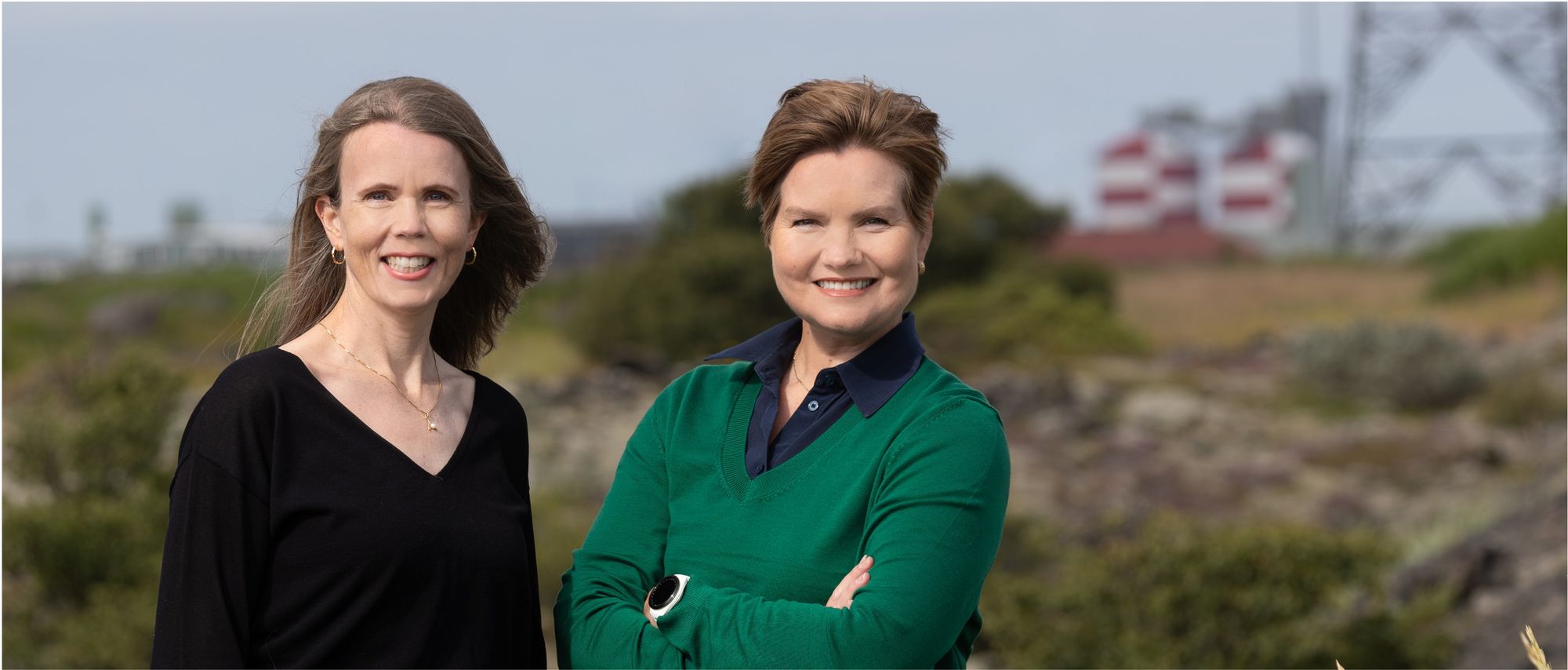
Women-Founded SnerpaPower Secures €3.4 Million for European Expansion
The Icelandic deep-tech company is scaling software that helps energy-intensive industries adjust electricity use and respond to changing grids.

Woman-Led Oshen Raises $5 Million to Scale Ocean Robots
The Plymouth startup is expanding fleets of small autonomous vessels used for weather, environmental and maritime-security data.

Maracanã Will Open and Close the 2027 Women’s World Cup
Hosting the opening match and final at Brazil’s most famous stadium gives women’s football an important place in South America’s sporting history.
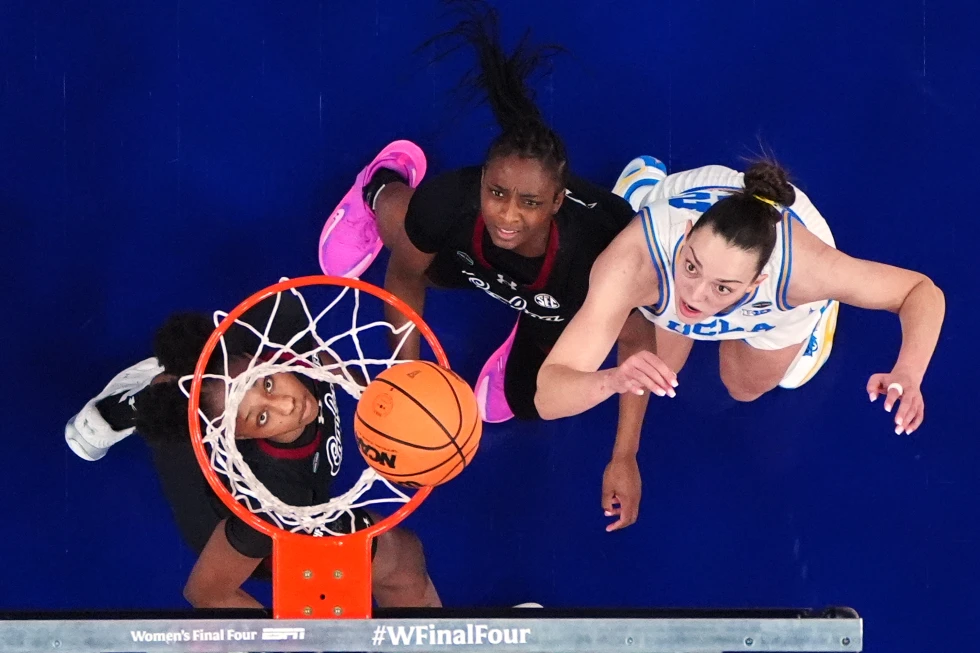
Women’s College Sports Seek Philanthropic Protection From Commercial Pressure
Editor’s summary: As US college athletics becomes more commercially driven, advocates are turning to philanthropy to protect women’s and lower-revenue sports.
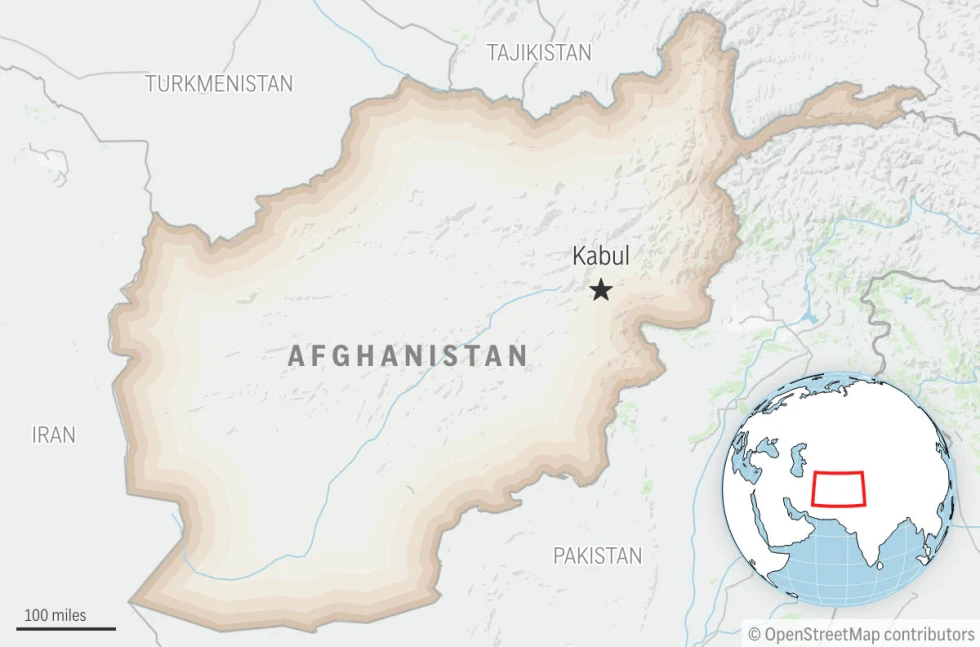
UN Staff Released in Afghanistan as Women’s Exclusion Deepens
The release of two detained UN employees offers limited relief while Afghan women and girls remain subject to sweeping restrictions.
Liechtenstein Opens Royal Succession to Women
One of Europe’s remaining male-only royal succession systems is being changed, allowing the firstborn child to inherit regardless of sex.
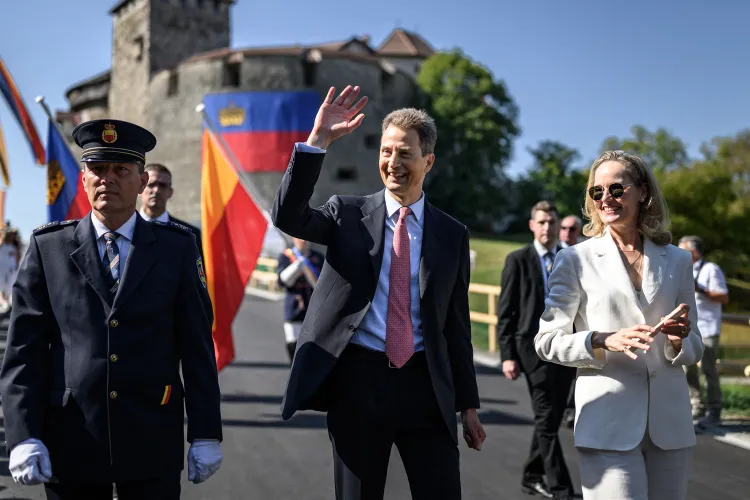
Liechtenstein Opens Royal Succession to Women
One of Europe’s remaining male-only royal succession systems is being changed, allowing the firstborn child to inherit regardless of sex.

Portugal’s Face-Covering Ban Reopens the Debate Over Women’s Freedom
Portugal says its new law protects equality and public security. Women’s-rights and civil-liberties advocates argue that a measure presented as liberation may instead restrict Muslim women’s choices.
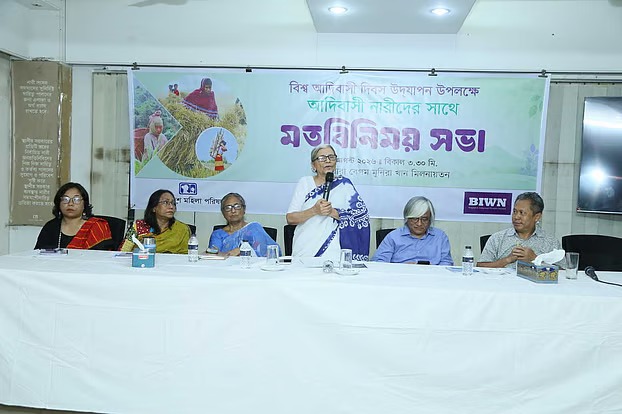
Bngladesh’s Indigenous Women Face a Double Burden — What Gets Left Out of the National Conversation
From land disputes and violence to gaps in healthcare and political voice, women from Indigenous communities face overlapping barriers that rarely receive sustained national attention.

Woman Dies After C-Section in Faridpur; Health Ministry Orders Five-Day Probe
The family of Konika Rani Mondol alleges surgical gauze was left inside her abdomen during a caesarean delivery. A five-member committee has been ordered to investigate the case as questions grow over maternal and surgical safety in Bangladesh.

From Marriage Promise to Trafficking Trap: How Bangladeshi Women Are Being Taken to China
From Marriage Promise to Trafficking Trap: How Bangladeshi Women Are Being Taken to China
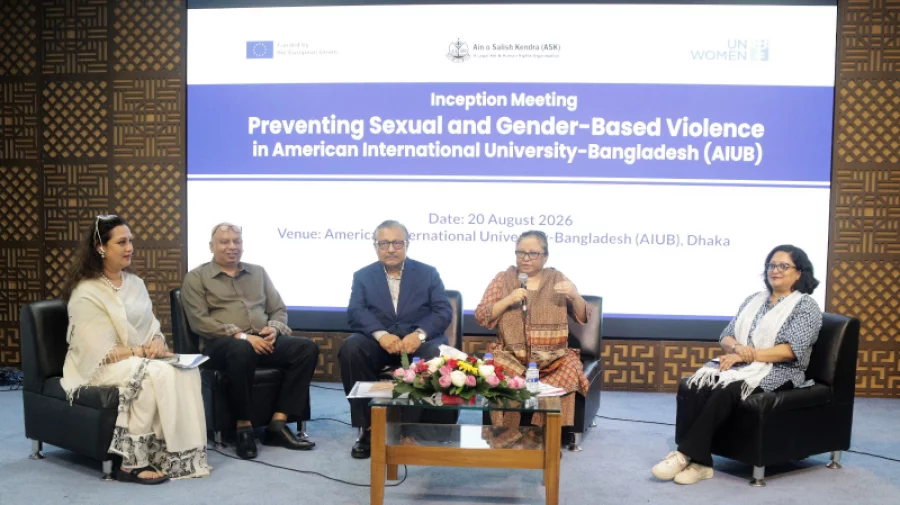
Five Bangladesh Universities Move to Strengthen Protection Against Sexual and Gender-Based Violence
A new initiative is seeking to strengthen how universities in Bangladesh prevent and respond to sexual and gender-based violence, with a particular focus on safer and more inclusive campuses for women and other members of university communities.