
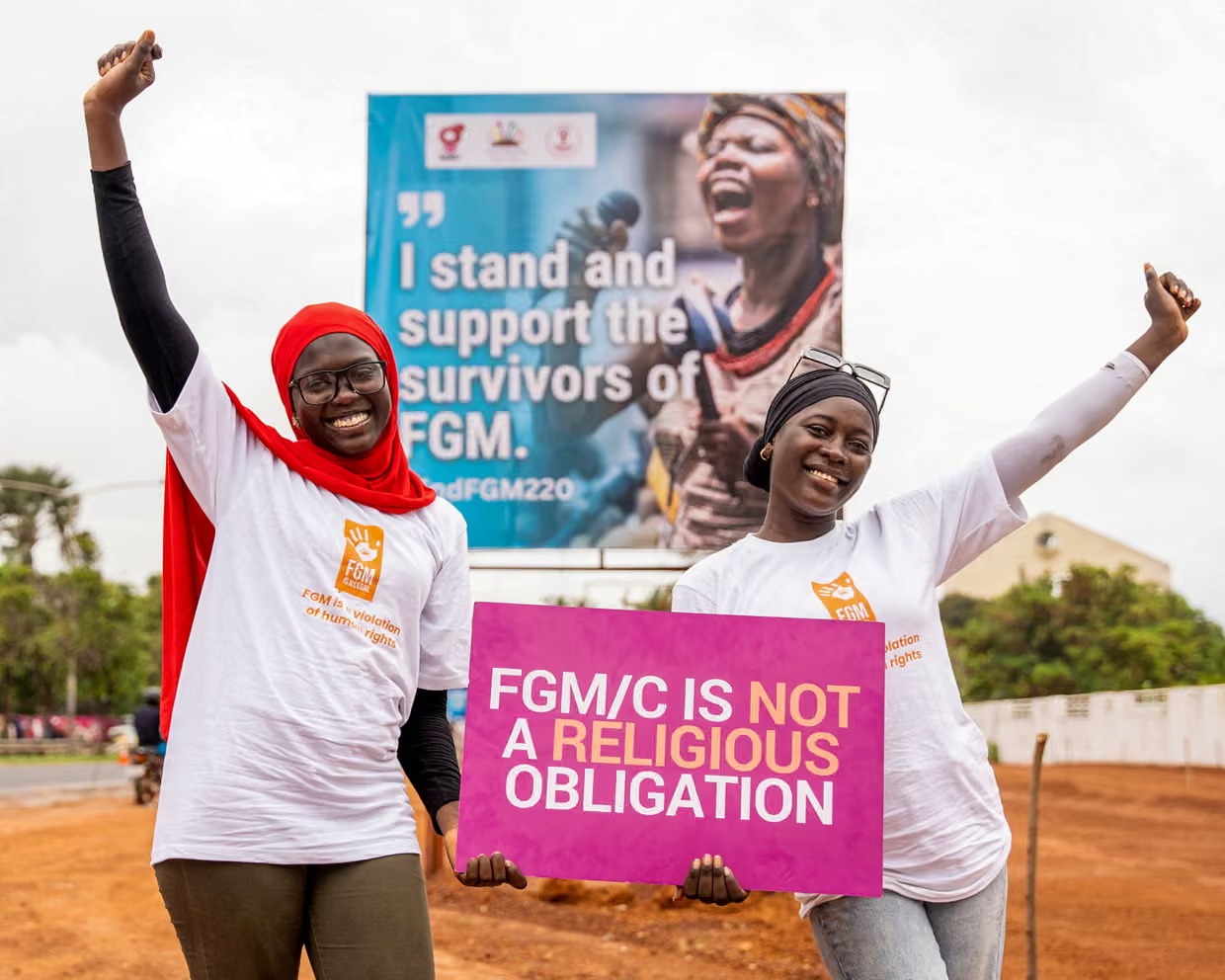
NAIROBI — A new philanthropic fund has launched with $15.5 million to support efforts to end female genital mutilation, as shrinking aid budgets threaten work led by survivors and community organisations.
The Wallace Global Fund provided $14 million and an anonymous donor added $1.5 million to establish the Her Horizon Fund, The Guardian reported on Friday. Organisers ultimately aim to mobilise $100 million and say frontline groups should determine how resources are used.
The timing is consequential. More than 230 million women and girls alive today have undergone FGM, according to UN estimates. Yet financing for the joint UNFPA-UNICEF programme operating in 18 countries fell 45% last year, from $29.6 million to $16.3 million.
The new money does not close that global gap, and a fundraising target is not cash already available. Editors and donors should distinguish the $15.5 million committed from the larger ambition. They should also ask what share will become flexible, multi-year grants rather than short projects with heavy reporting requirements.
Survivor leadership is not simply a matter of representation. Local organisers understand who performs cutting, which ceremonies and economic incentives sustain it, and where public advocacy could expose girls or families to retaliation. They are better placed to combine legal change with health care, education and dialogue that does not drive the practice underground.
Ifrah Ahmed, the Somali-Irish founder of the Ifrah Foundation, said the fund could help activists continue after her organisation lost $300,000 in UNFPA support. Somalia illustrates both progress and resistance: several federal member states have enacted anti-FGM laws, while bills elsewhere face political and religious opposition.
Legal gains remain fragile in other countries. The Gambia’s Supreme Court is considering a challenge to its 2015 ban after legislators rejected an effort to repeal it in 2024. Sierra Leone’s new Child Rights Act omitted a prohibition despite sustained campaigning.
Funding should therefore measure more than the number of workshops held. Useful indicators include girls protected, survivors accessing voluntary care, prosecutions conducted without punishing survivors, community commitments maintained and women’s organisations retaining staff between grant cycles.
FGM can cause severe bleeding, infection, chronic pain, childbirth complications and psychological trauma. Ending it requires universal human-rights standards and locally credible action. Her Horizon’s test will be whether philanthropy transfers not only money but authority to women who have already been doing the work with too little of both.
Join the discussion