
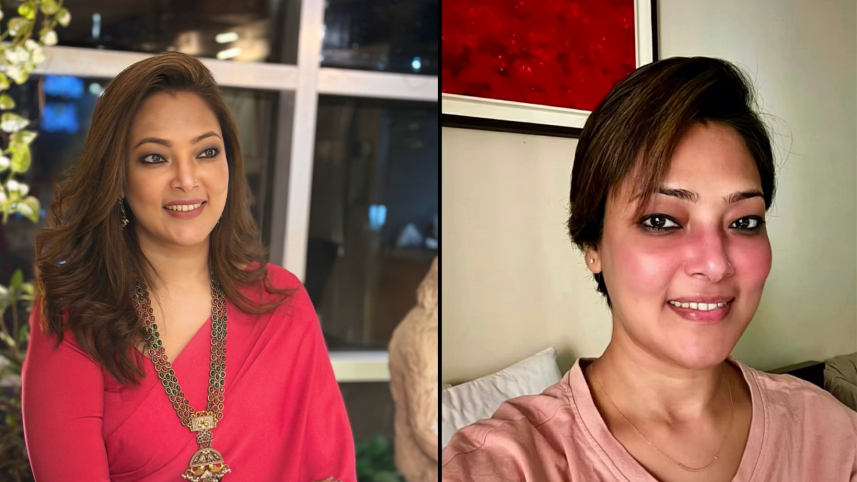
Bangladeshi presenter Samia Afreen has publicly shared that she is facing cancer again.
Afreen, who has been undergoing a cancer journey since 2022, disclosed that doctors diagnosed another malignant tumour around three months ago. The update was reported by The Daily Star on 24 August.
For patients and families, the announcement highlights a difficult reality that can sometimes be overlooked when people speak about “beating” cancer: completing one period of treatment does not always mean the end of medical monitoring or uncertainty.
Cancer recurrence means cancer is detected again after a period in which it was absent or controlled. It can occur in the same area or elsewhere, depending on the disease. A recurrence does not automatically mean treatment is impossible, and outcomes vary greatly by cancer type, stage, location and available therapies.
This is why follow-up care remains important after initial cancer treatment.
Doctors may recommend periodic physical examinations, imaging, laboratory tests or other monitoring based on an individual patient’s history.
Patients should also report new or persistent symptoms rather than assuming every change is harmless.
At the same time, cancer follow-up can create significant psychological pressure.
Many survivors experience anxiety around scans, appointments or unusual symptoms even when their tests remain normal. A new diagnosis may bring back fears that patients and families thought they had begun to leave behind.
Public figures who speak openly about cancer can therefore make an important contribution.
Their stories can reduce stigma, encourage early medical evaluation and remind people that illness does not remove a person’s professional or social identity.
But cancer stories should also be handled carefully.
Patients deserve privacy, and no individual diagnosis should be used to generalise about another person’s risk or prognosis.
Bangladesh continues to face challenges around early cancer detection, specialist access and treatment affordability. Those challenges can be particularly severe outside large cities.
The wider lesson from Afreen’s announcement is not to live in fear of recurrence.
It is to recognise that cancer care can be a long journey involving treatment, follow-up, emotional support and sometimes renewed treatment.
Survivorship does not always mean closing the door on cancer forever.
Sometimes it means learning to continue living while keeping that door under careful medical watch.


Join the discussion