
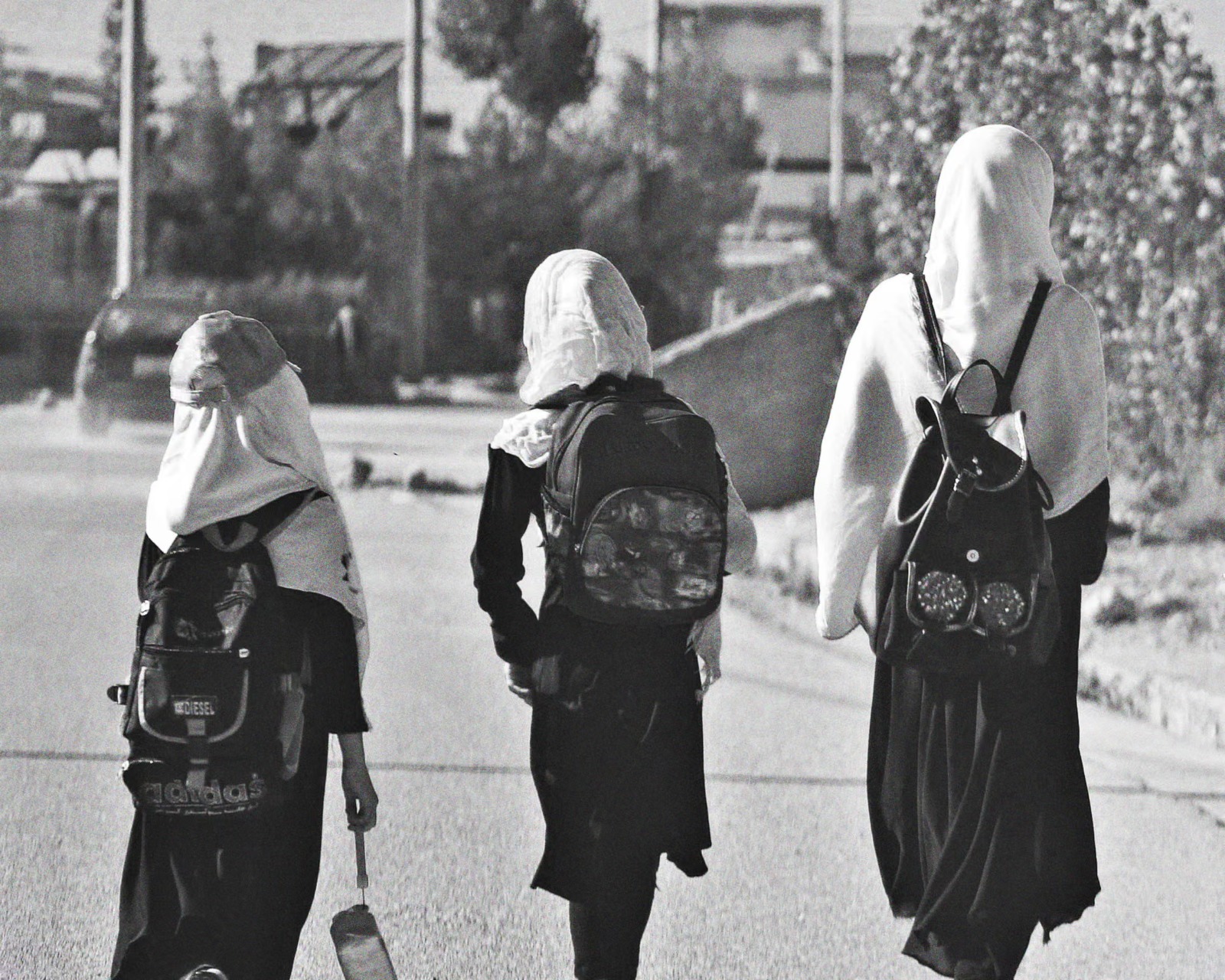
HERAT, Afghanistan — Three sisters deported from Iran this year are continuing their education in private, unofficial classes in western Afghanistan, even though the qualifications they work toward cannot be formally recognised under Taliban restrictions.
The sisters, identified by The Guardian as Maahi, Shallah and Fatimah, were born in Iran. Their family returned to Afghanistan in 2010 and fled again in 2017 as violence intensified. After years of insecure residence in Iran, tighter restrictions and rising hostility toward Afghans culminated in their removal in 2026.
Their return did not mean returning to a normal school system. Since taking Kabul on 15 August 2021, the Taliban has excluded girls from education beyond the sixth grade and barred women from universities. Afghanistan is the only country where such nationwide restrictions apply.
In Herat, the sisters use family savings to attend informal lessons. Those classes preserve knowledge, routine and contact with other students, but they cannot issue the diplomas that universities and employers ordinarily require. That distinction matters: education without recognised credentials can sustain hope while leaving the economic barrier intact.
Their ambitions remain international. Maahi hopes to reach Germany, Shallah wants to study at a university abroad, and Fatimah believes Afghanistan will eventually need educated women. None of those plans is guaranteed. They depend on money, travel documents, admissions rules and immigration systems over which the sisters have little control.
Their story also connects two systems of exclusion. Iran has hosted millions of Afghans over decades, including people born there who never obtained secure status. Afghanistan’s restrictions then punish girls deported into a country they may barely know. A removal decision can therefore erase not only residence but a student’s pathway to recognised learning.
Individual resilience should not become an excuse for institutional failure. Secret or private classes expose teachers and students to risk, rely on scarce household funds and cannot replace an accredited national system. International scholarships help a small number of women, but they cannot substitute for restoring education at home.
The sisters’ testimony is valuable because it resists a familiar description of Afghan girls as passive victims. They make plans, study and argue for a different future. Yet courage does not cancel the coercion around them.
Governments engaging the Taliban should treat the education bans as a central rights issue, while countries deporting Afghans must assess the gender-specific consequences of return. For Maahi, Shallah and Fatimah, the immediate act of resistance is ordinary: opening a book in a place that has tried to make their learning officially disappear.

Join the discussion