
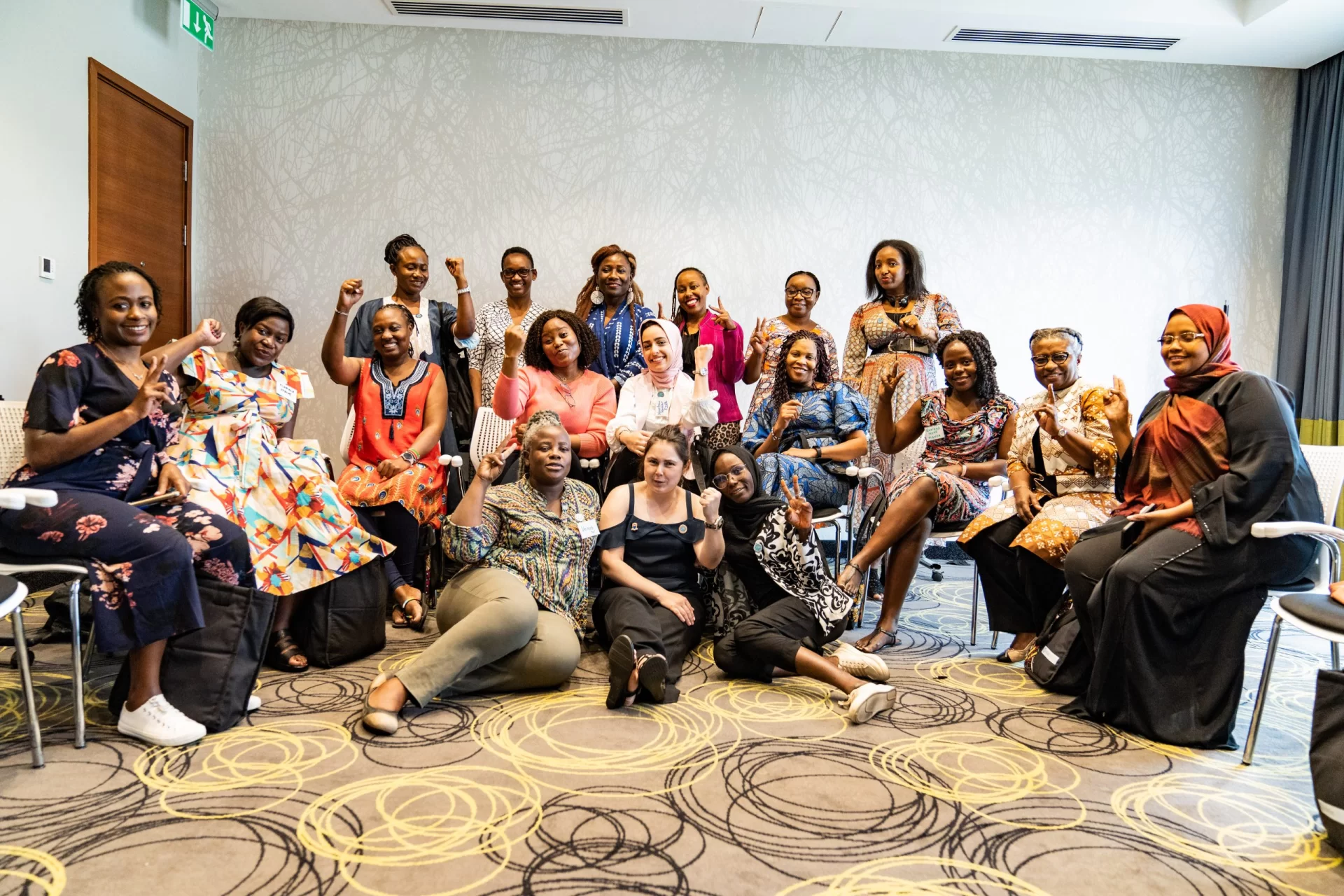
Women form the backbone of healthcare systems as nurses, midwives, community workers, physicians, researchers and unpaid family caregivers. Yet authority across global health remains disproportionately concentrated among men.
Women in Global Health now operates through 65 chapters in 60 countries and reports more than 6,000 members. Its growth reflects dissatisfaction with leadership systems that rely heavily on women’s labour while limiting their decision-making power.
Representation is not only a fairness question. Leadership determines which health problems receive research funding, how workplaces respond to harassment, whether maternity protections exist and how community expertise is valued.
Women may be highly visible in frontline roles but absent from ministry leadership, hospital boards and major funding institutions. Occupational segregation also concentrates them in lower-paid caring roles while men hold more senior technical and executive positions.
Organisations need transparent promotion data, equal pay, safe reporting systems and succession plans that include women from different regions, professions and backgrounds.
Global institutions should also avoid treating one woman’s appointment as proof that the problem has been solved. Sustainable progress requires a pipeline extending from community workers to national and international leadership.
Local chapters can redistribute power by allowing women to set priorities within their own health systems. Their influence will depend on whether governments and donors fund that work and include them in formal decisions.



Join the discussion