
Women Workers
6 published stories in this view. Follow the topic to personalize SheFront.
Stories about Women Workers
Bangladesh Women-Led NGOs Can Apply for Up to $50,000 in Flexible Climate-Resilience Funding
A new Resilience Fund round is offering women- and non-binary-led community organisations in Bangladesh two-year grants of US$15,000–$50,000. Unlike many donor calls, the funding is unrestricted and does not require applicants to invent a new standalone project.
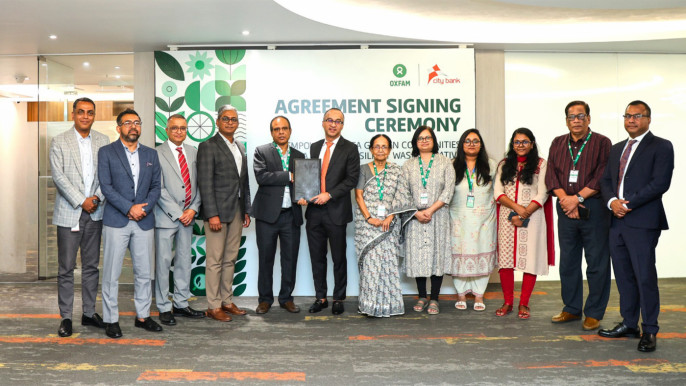
A New WASH Partnership Targets Tea Gardens. For Women Workers, Toilets Are Health Infrastructure
City Bank and Oxfam have launched a climate-resilient water, sanitation and hygiene initiative for underserved tea-garden communities, with a specific focus on women and girls. The partnership is welcome; the real test will be safe water, usable toilets and menstrual dignity where women actually live and work
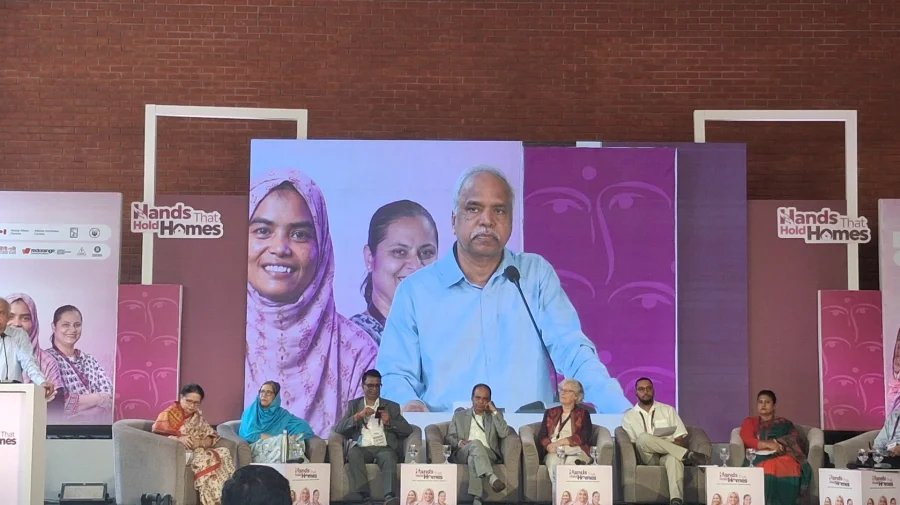
Women Domestic Workers Know Their Rights Better. Only 28% Have Written Employment Arrangements
A seven-year Oxfam programme reports a major rise in rights awareness and wage-negotiation ability among women domestic workers. Yet written employment arrangements remain uncommon, showing the distance between knowing a right and being able to enforce it inside somebody else’s home.
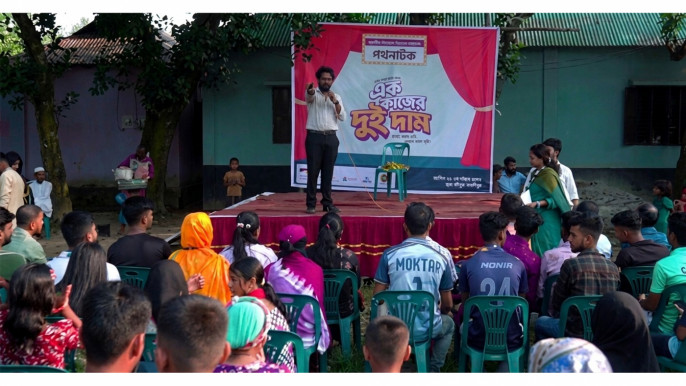
Equal Pay Begins With Knowing What the Payslip Actually Says
Garment workers in Gazipur marked International Equal Pay Day through a street drama they wrote and performed themselves. The discussion moved beyond slogans to salary structures, overtime, payslips and wage calculations—the details through which unfair pay can become visible.
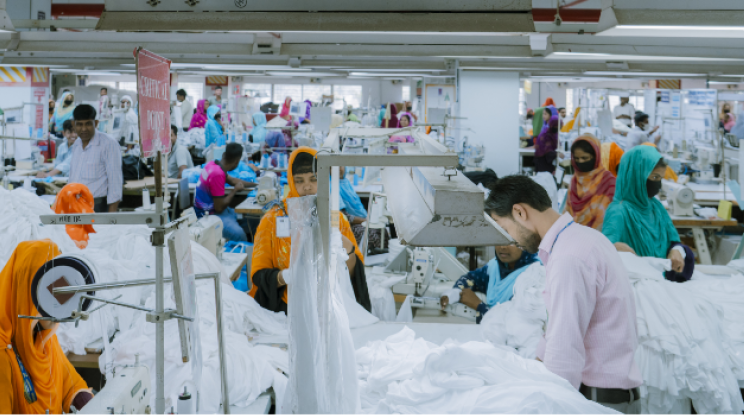
Bangladesh’s Circular Economy Was Already Being Built by Women Sorting Waste. Will They Share the Billions?
Women reportedly make up around 70% of Bangladesh’s garment-waste sorters, doing the manual work that keeps textile scraps in circulation. As formal recycling attracts technology, certification and billions in potential value, a just transition means those workers cannot become disposable.
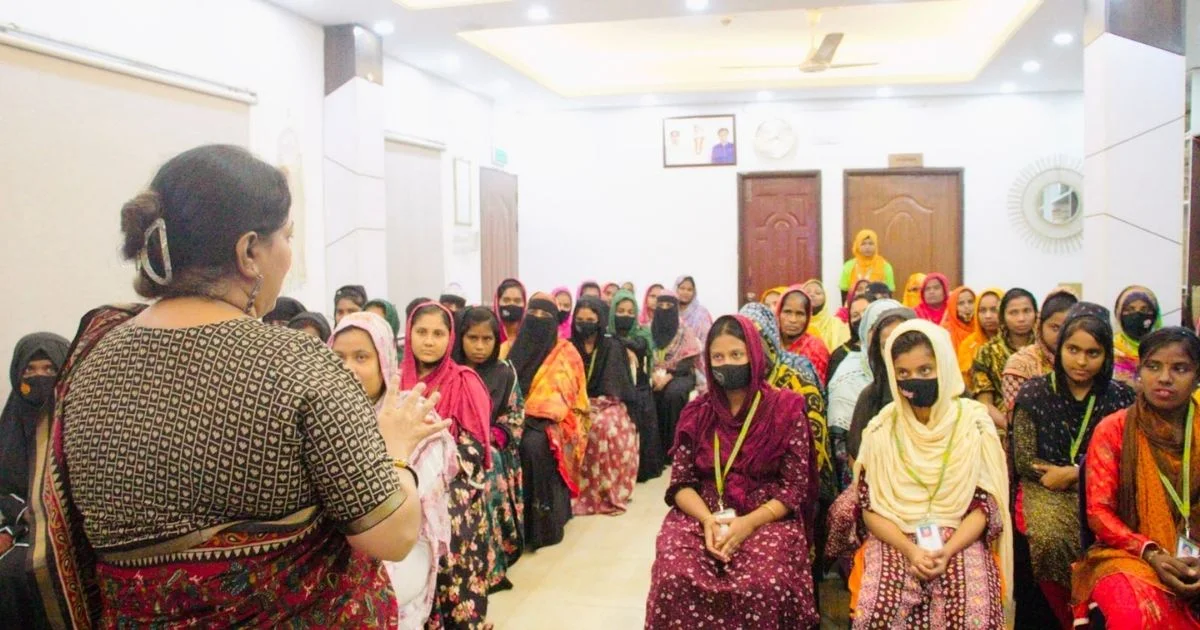
110 Women Factory Workers Joined Mental-Health Sessions. Awareness Should Be the First Layer, Not the Whole Safety Net
Psychologists recently held workplace mental-health sessions for 110 women workers in Pabna and Gazipur. Normalising conversations about stress is valuable, but women working under production pressure also need confidential counselling, referral systems and workplaces that reduce—not simply teach them to cope with—psychological strain.